

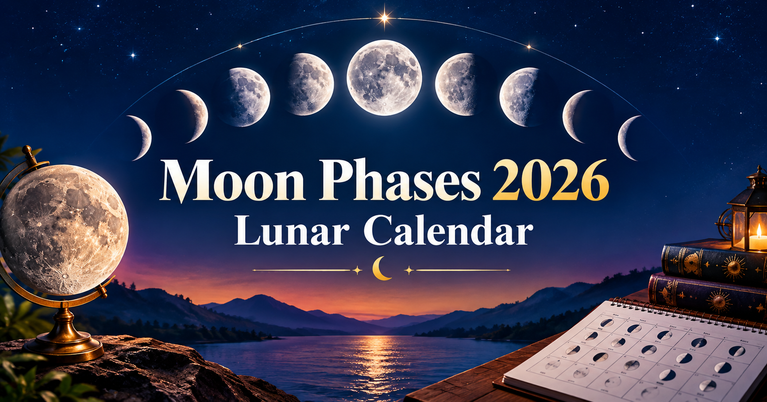
Moon Phases 2026 offers a simple way to follow the Moon as it changes from a New Moon to a crescent, quarter, gibbous, and Full Moon throughout the year. Understanding these stages can make skywatching easier and more enjoyable for beginners, travelers, photographers, and astronomy enthusiasts.
The lunar cycle lasts about 29.5 days, creating a repeating pattern that can be tracked with a lunar calendar. With Moon Phases 2026, you can learn about major phases, plan nighttime observations, and find better opportunities to enjoy the Moon and the night sky from your location.
What Are Moon Phases?
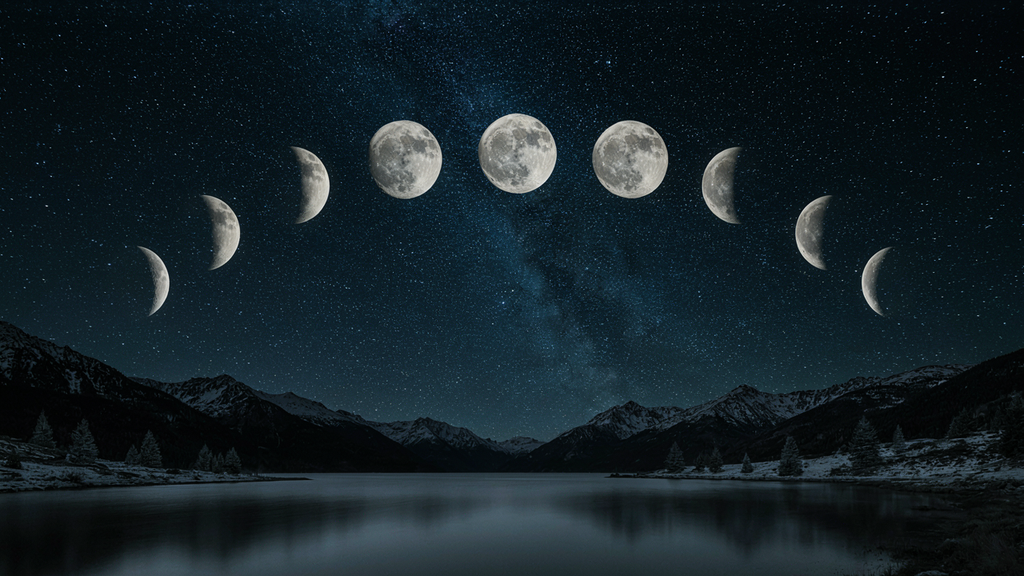
Moon phases are the different shapes of the Moon that we see from Earth. The Moon does not actually change its shape. Instead, we see different amounts of its sunlit half as it travels around Earth.
A complete cycle of lunar phases takes about 29.5 days. During this period, the Moon passes through several major stages, including the New Moon, First Quarter, Full Moon, and Third Quarter.
Moon Phases for Lakki Marwat, Pakistan in 2026
People in Lakki Marwat can observe the Moon changing throughout the year. The exact appearance and timing of each phase depend on the Moon’s position in its orbit and the observer’s location.
For local observations, moonrise, moonset, and the exact phase time can be useful when planning photography, outdoor activities, or night-sky viewing.
Moon Phases for Lakki Marwat, 11 September 2026 – 3 October 2026
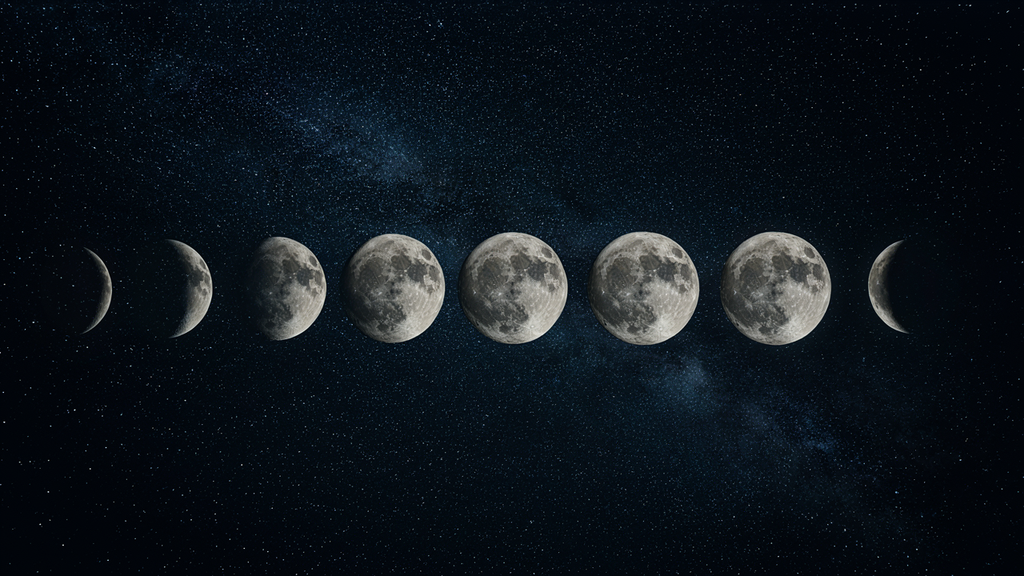
This period covers several important stages of the lunar cycle. Watching the Moon from one evening to the next can make its changing appearance easier to understand.
The Moon may appear low on the horizon shortly after sunset or remain visible later into the night depending on its phase. Local weather and visibility should also be considered before planning an observation.
New Moon
A New Moon occurs when the Moon is positioned roughly between Earth and the Sun. The side facing Earth receives very little direct sunlight, so the Moon is usually difficult to see in the night sky.
New Moon nights can provide some of the darkest skies for stargazing because there is very little moonlight. This makes them useful for observing stars and other faint celestial objects.
First Quarter
The First Quarter occurs about one week after the New Moon. At this stage, approximately half of the Moon’s visible face is illuminated.
Despite its name, the Moon is not actually one-quarter illuminated. The term refers to the Moon being about one-quarter of the way through its lunar cycle.
Full Moon
A Full Moon occurs when Earth is positioned approximately between the Sun and Moon. The side of the Moon facing Earth is then brightly illuminated.
Full Moons are easy to notice because they provide plenty of natural light during the night. They are also popular subjects for photographers, travelers, and skywatchers.
Third Quarter
The Third Quarter occurs about one week after the Full Moon. Around half of the Moon’s visible surface appears illuminated again, but the opposite side is lit compared with the First Quarter.
The Third Quarter Moon often rises later at night and remains visible into the morning hours.
2026 Moon Phases Calendar
The lunar cycle repeats throughout the year, giving skywatchers many opportunities to observe different phases. A 2026 lunar calendar can be used to track the major phases from January through December.
For the most accurate local observation times, readers should check a reliable astronomical calendar that provides times for their specific city or location.
January 2026 Moon Phases
January begins a new year of lunar cycles. The changing Moon can be observed throughout the month, with the major phases providing useful reference points.
Winter nights can offer good opportunities for Moon watching because darkness arrives relatively early in many locations. Clear weather is still important for good visibility.
February 2026 Moon Phases
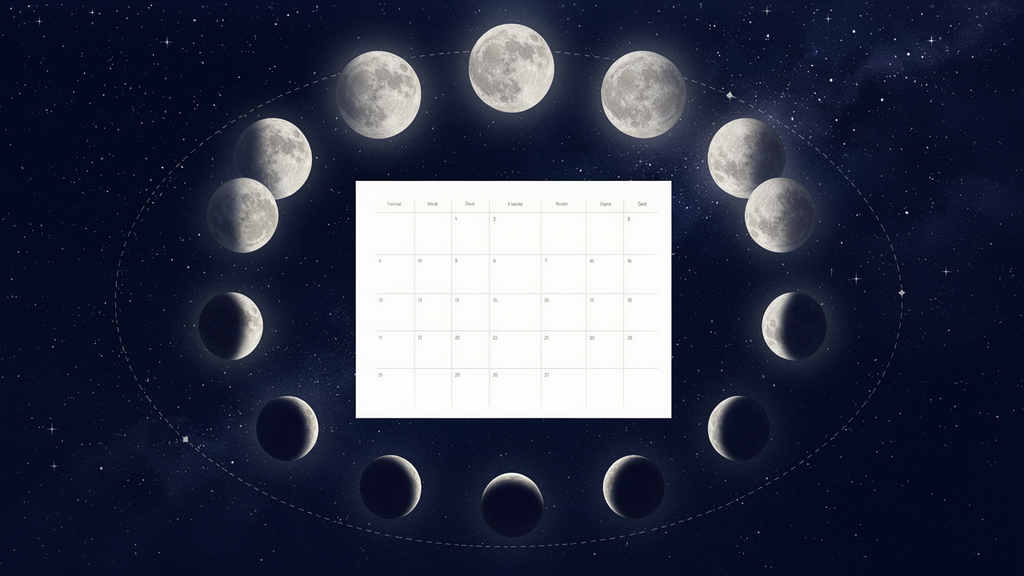
February continues the regular lunar cycle. The Moon moves through crescent, quarter, gibbous, and Full Moon stages during the month.
A simple way to observe the changes is to look at the Moon around the same time on several nights and compare its size and position.
March 2026 Moon Phases
March brings another complete series of lunar phases. As spring approaches in the Northern Hemisphere, evening sky conditions may gradually change.
The Moon can be an excellent starting point for beginners who want to learn basic astronomy because its changing appearance is easy to recognize.
April 2026 Moon Phases
April’s lunar cycle includes the four major phases along with the intermediate crescent and gibbous stages.
The Moon’s brightness can affect how many stars are visible, so photographers and stargazers often consider the lunar phase when planning nighttime observations.
May 2026 Moon Phases
May provides another opportunity to follow the Moon through its monthly cycle. A lunar calendar can help you know when to expect brighter or darker nights.
The Full Moon is particularly easy to observe without special equipment, while binoculars can reveal additional surface details.
June 2026 Moon Phases
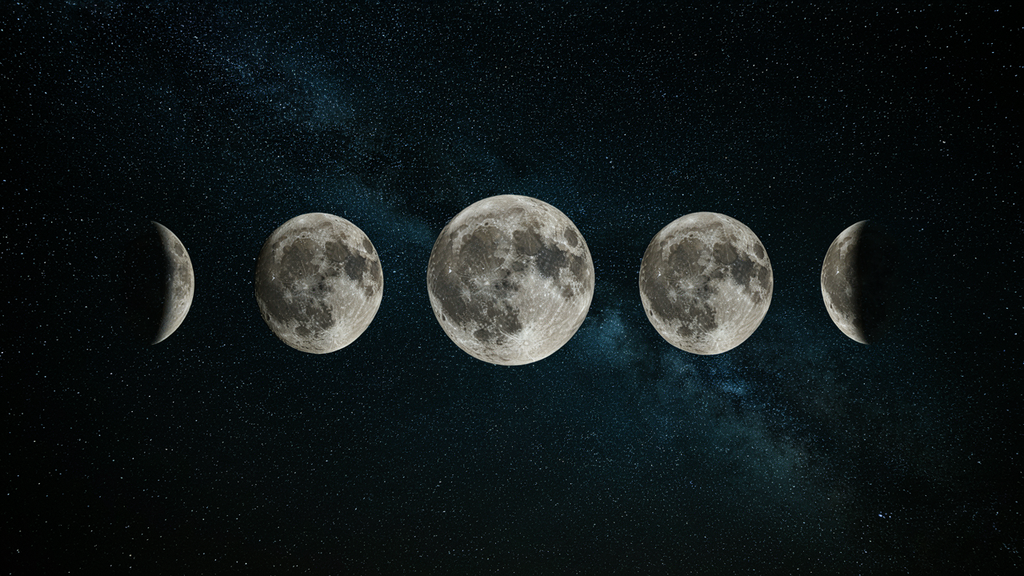
June brings longer daylight hours in the Northern Hemisphere, but the Moon can still be observed during evening and nighttime periods.
Depending on its phase, the Moon may also be visible during daylight. The best viewing time changes from one phase to another.
July 2026 Moon Phases
July’s Moon phases continue the regular lunar pattern. Warm summer evenings can make casual Moon watching an enjoyable outdoor activity.
For photography, a stable camera or smartphone setup can help capture sharper images of the lunar surface.
August 2026 Moon Phases
August offers another complete lunar cycle. A Full Moon can create bright nighttime landscapes, while a New Moon can provide darker conditions for deep-sky observation.
Moonwatching can also be combined with other August astronomy events when weather and visibility allow.
September 2026 Moon Phases
September includes several changing Moon phases as summer moves toward autumn in the Northern Hemisphere.
For readers in Lakki Marwat and other parts of Pakistan, checking local moonrise and moonset times can make evening observations easier to plan.
October 2026 Moon Phases
October brings another series of New Moon, Quarter Moon, and Full Moon stages.
Cooler evenings in many regions can make outdoor skywatching comfortable. A clear location away from bright city lights can improve the overall experience.
November 2026 Moon Phases
November’s longer nights can provide more opportunities to observe the Moon. The exact viewing time depends on the phase and your location.
A lunar calendar is particularly useful for planning photography sessions or nighttime travel around moonlight conditions.
December 2026 Moon Phases
December completes the year’s lunar cycles. Winter nights can provide excellent opportunities to watch the Moon, especially when skies are clear.
Tracking the Moon throughout December also gives beginners a chance to compare its appearance with observations made earlier in the year.
Major Stages of the Lunar Cycle
The lunar cycle includes four primary phases and several intermediate stages.
The four main phases are:
- New Moon
- First Quarter
- Full Moon
- Third Quarter
Between these stages, the Moon appears as a waxing or waning crescent or gibbous Moon. These gradual changes create the complete lunar cycle.
Waxing Moon Explained
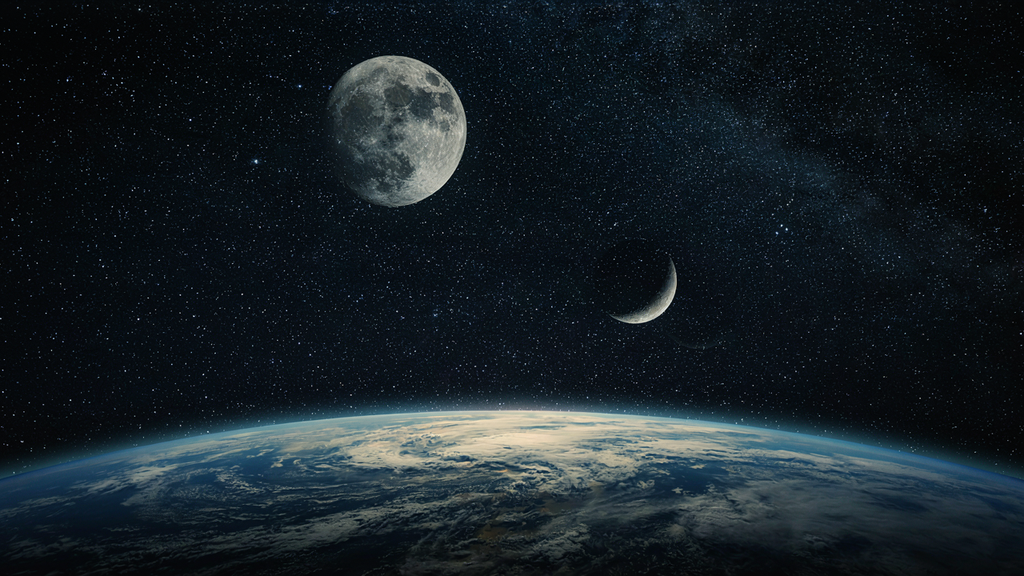
A waxing Moon is becoming more illuminated from our viewpoint. It begins after the New Moon and continues until the Full Moon.
The Moon changes from a thin waxing crescent to a First Quarter and then to a waxing gibbous Moon before reaching the Full Moon.
Waning Moon Explained
A waning Moon is becoming less illuminated after the Full Moon.
It moves from a waning gibbous phase to the Third Quarter and then becomes a thin waning crescent before reaching the next New Moon.
How Long Is a Lunar Cycle?
A complete cycle from one New Moon to the next takes approximately 29.5 days. This period is known as a synodic month.
Because the lunar cycle is slightly shorter than a calendar month, Moon phases do not occur on the same calendar date every month.
Why Does the Moon Have Different Phases?
The Moon reflects sunlight rather than producing its own visible light. As it orbits Earth, the angle between the Sun, Earth, and Moon changes.
This changing geometry determines how much of the illuminated side we can see from Earth. That is why the Moon appears to change shape during the month.
Moon Phases and Moonrise Times
Moonrise and moonset times change every day. A Full Moon generally rises around sunset and sets around sunrise, while other phases follow different patterns.
Checking local moonrise and moonset information is helpful if you want to photograph the Moon near a landmark, mountain, temple, beach, or city skyline.
Best Time to See the Moon
There is no single best time to observe every Moon phase. Each phase has its own viewing window.
The First Quarter is often convenient for evening viewing, while a Third Quarter Moon is commonly easier to see during the late night and morning hours. A Full Moon is visible for much of the night.
How to Photograph the Moon
You do not always need professional equipment to photograph the Moon. A smartphone can capture a bright lunar disk when the camera is stabilized.
For better results, use a tripod when possible, reduce excessive exposure, and focus carefully. A camera with a telephoto lens can capture more visible surface detail.
Special Moon Events in 2026
In addition to regular lunar phases, some years include notable astronomical events involving the Moon.
These can include lunar eclipses, unusually close Full Moons, and other events that attract attention from skywatchers. The exact visibility of an event depends on location, timing, and local weather.
Lunar Eclipses and Moon Phases
A lunar eclipse happens when Earth passes between the Sun and Moon and Earth’s shadow falls across the Moon.
Not every Full Moon produces an eclipse because the Moon’s orbit is tilted relative to Earth’s orbit around the Sun. An eclipse occurs only when the alignment is suitable.
Supermoon and Full Moon
The term “Supermoon” is commonly used for a Full Moon that occurs when the Moon is relatively close to Earth in its elliptical orbit.
The difference in apparent size can be subtle, but the event can still be interesting for photographers and astronomy enthusiasts.
Moon Phases and Travel Planning
Moonlight can influence nighttime travel and outdoor experiences. Travelers visiting deserts, mountains, beaches, or rural areas may prefer different lunar conditions depending on what they want to experience.
A bright Moon can illuminate landscapes, while a darker sky around the New Moon can provide better conditions for seeing stars.
Moon Phases for Stargazing
Moonlight can make faint stars and deep-sky objects harder to see. For this reason, astronomers often pay attention to the lunar calendar when planning observations.
New Moon periods are generally associated with darker skies, while bright Full Moon nights can be better suited to observing the Moon itself.
Moon Phases and Photography
Moon photography can be planned around different lunar stages. A crescent Moon can create a delicate evening scene, while a Full Moon can produce a bright focal point in landscape photography.
Photographers can also experiment with silhouettes by placing the Moon behind buildings, trees, mountains, or other foreground objects.
About the Moon
The Moon is Earth’s natural satellite and is the fifth-largest moon in the Solar System. It has no atmosphere comparable to Earth’s and its surface contains craters, mountains, plains, and other geological features.
The Moon plays an important role in Earth’s natural environment, including its influence on ocean tides through gravitational interaction.
Why Is the Moon Important to Earth?
The Moon’s gravitational pull contributes significantly to Earth’s ocean tides. It also plays a role in Earth’s long-term rotational and orbital dynamics.
For humans, the Moon has been important for calendars, navigation, cultural traditions, scientific research, and astronomy for thousands of years.
Moon Phases Calendar vs. Moonrise Calendar
A Moon phases calendar tells you what phase the Moon is in, while a moonrise calendar tells you when the Moon rises and sets at a particular location.
For accurate travel or photography planning, using both types of information can be helpful.
FAQs
What Are Moon Phases 2026?
The term refers to the different stages of the Moon during the year, including the New Moon, First Quarter, Full Moon, and Third Quarter.
How Many Major Moon Phases 2026 Are There?
There are four major stages commonly used to describe the lunar cycle: New Moon, First Quarter, Full Moon, and Third Quarter.
When Is the Full Moon in Moon Phases 2026?
The exact Full Moon dates vary throughout the year. Local astronomical calendars can provide the precise date and time for your location.
What Is a New Moon in Moon Phases 2026?
A New Moon occurs when the Moon is positioned between Earth and the Sun, making the illuminated side mostly face away from Earth.
How Long Is a Lunar Cycle in Moon Phases 2026?
A complete cycle from one New Moon to the next takes about 29.5 days.
Can I See Every Stage in Moon Phases 2026?
Yes, the different stages can generally be observed from Earth, although weather, daylight, location, and the Moon’s position can affect visibility.
Which Is the Brightest Stage in Moon Phases 2026?
The Full Moon is the brightest major stage because the side facing Earth is almost completely illuminated by sunlight.
What Is the Best Time to Watch Moon Phases 2026?
The best viewing time depends on the stage. Evening hours are often convenient for a First Quarter, while a Third Quarter is commonly visible later at night and in the morning.
Can Moon Phases 2026 Help With Stargazing?
Yes. Knowing the lunar cycle can help you choose darker nights for observing faint stars and deep-sky objects, especially around the New Moon.
Where Can I Find Accurate Moon Phases 2026 Times?
Reliable astronomical calendars and local skywatching resources can provide phase dates, exact times, moonrise, and moonset information for specific locations.
Conclusion
Moon Phases 2026 gives skywatchers a simple way to follow the Moon’s changing appearance throughout the year. From the New Moon and First Quarter to the Full Moon and Third Quarter, each stage offers a different view of our natural satellite.
Whether you enjoy stargazing, photography, travel, or learning about astronomy, Moon Phases 2026 can help you plan your observations. For the most accurate viewing, always check local moonrise, moonset, weather, and visibility conditions.
Read More: Daily Tamil Panchangam 2026 Complete Tamil Panchangam, Rasi Palan, Vrat & Festival Guide
