
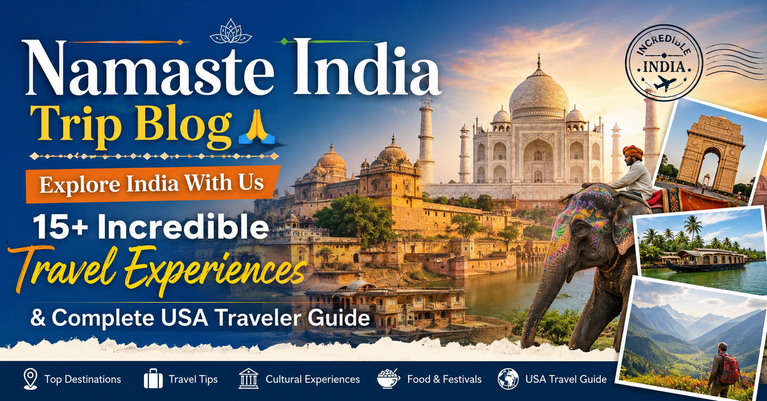
India is more than a destination it is a collection of thousands of stories, traditions, landscapes, flavors, and cultures. A trip can take you from modern cities to ancient temples, from snowy mountains to tropical beaches, and from busy markets to peaceful ashrams. That diversity makes India one of the world’s most rewarding destinations for curious travelers.
For Americans planning their first India vacation, however, preparation matters. Long flights, regional differences, transportation, weather, cultural etiquette, food choices, visas, and itinerary planning can make the trip feel complicated. This is where Namaste India Trip Blog – Explore India With Us can become a useful travel-planning resource.
This guide brings together the most important ideas for planning an India trip from the USA. It covers where to go, what to experience, how to plan your itinerary, transportation, food, culture, safety, budgeting, common mistakes, and expert tips.
Quick Answer:
Namaste India Trip Blog – Explore India With Us is a travel-focused concept for discovering India’s incredible diversity through practical travel guides, destination ideas, cultural experiences, food, heritage, spirituality, family trips, and useful planning advice.
For travelers from the USA, India can feel both exciting and overwhelming because the country covers a huge range of landscapes and experiences. From the Taj Mahal and Rajasthan’s palaces to Kerala’s backwaters, Himalayan destinations, South Indian temples, Goa’s beaches, and the spiritual atmosphere of Varanasi, there is something for almost every type of traveler.
The best approach is not to see everything in one trip. Instead, choose a region, build a realistic itinerary, and leave enough time to experience local food, traditions, people, and everyday life.
What Makes India Such a Special Travel Destination?
India’s biggest strength is its diversity.
You can travel within the same country and experience very different languages, cuisines, architecture, climates, traditions, and landscapes.
The official Incredible India tourism platform organizes destinations across regions including North, South, East, West, Central, and Northeast India, showing just how geographically diverse the country is.
Ancient Heritage
India has centuries of history visible in forts, palaces, temples, mosques, monasteries, archaeological sites, and historic cities.
Popular heritage experiences include:
- Taj Mahal in Agra
- Red Fort in Delhi
- Amber Fort in Jaipur
- City Palace in Udaipur
- Ancient temples of Tamil Nadu
- Historic sites of Hampi
- Buddhist sites around Bodh Gaya and Sarnath
- Mughal architecture in North India
Spiritual Experiences
India is home to major pilgrimage destinations associated with Hinduism, Buddhism, Sikhism, Jainism, Islam, Christianity, and other traditions.
Travelers interested in spiritual tourism can explore:
- Varanasi
- Rishikesh
- Haridwar
- Amritsar
- Bodh Gaya
- Ayodhya
- Mathura
- Tirupati
- Madurai
- Varanasi’s Ganga ghats
Food and Culinary Culture
Indian food varies dramatically from region to region.
A traveler could enjoy:
- Punjabi cuisine in North India
- Gujarati thali in Gujarat
- Rajasthani dishes in Rajasthan
- Bengali cuisine in Kolkata
- Hyderabadi biryani in Hyderabad
- South Indian dosa and idli
- Kerala seafood and vegetarian dishes
- Goan coastal cuisine
- Mumbai street food
For many travelers, an India food tour becomes one of the highlights of the entire journey.
15+ Best Places to Explore in India
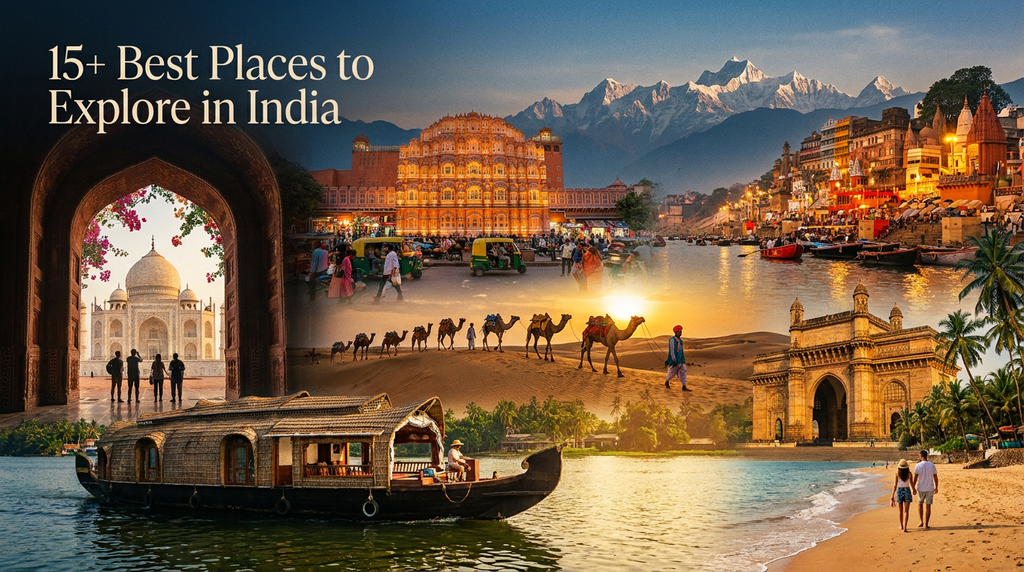
Choosing where to go is often the hardest part of planning an India vacation.
Here are some of the most popular choices for international travelers.
| Destination | Best For | Suggested Stay |
| Delhi | History, food, architecture | 2–3 days |
| Agra | Taj Mahal, Mughal history | 1–2 days |
| Jaipur | Forts, palaces, culture | 2–3 days |
| Udaipur | Lakes, romance, luxury | 2–3 days |
| Varanasi | Spiritual experiences | 2–3 days |
| Rishikesh | Yoga, wellness, adventure | 2–4 days |
| Kerala | Nature, beaches, backwaters | 4–7 days |
| Goa | Beaches, relaxation | 3–5 days |
| Mumbai | Food, culture, city life | 2–3 days |
| Amritsar | Sikh heritage, food | 1–2 days |
| Ladakh | Mountains, adventure | 5–7+ days |
| Himachal Pradesh | Mountains, hiking | 4–7 days |
| Rajasthan | Heritage and desert travel | 5–10 days |
| Tamil Nadu | Temples and culture | 5–8 days |
| Northeast India | Nature and lesser-known experiences | 7+ days |
India’s official tourism resources also highlight destinations ranging from Delhi, Jaipur, Mumbai, Goa, Varanasi, and Amritsar to Ladakh, Sikkim, Kerala, and the Andaman and Nicobar Islands.
Delhi
Delhi is one of the best starting points for a first India trip.
Explore:
- India Gate
- Red Fort
- Qutub Minar
- Humayun’s Tomb
- Chandni Chowk
- Lotus Temple
- Local food markets
Give yourself at least two full days if possible.
Agra
Agra is famous worldwide for the Taj Mahal.
A Delhi Agra Jaipur route is one of the easiest introductions to India’s Golden Triangle.
Jaipur
Known as the Pink City, Jaipur combines royal architecture, colorful markets, traditional crafts, and historic forts.
Don’t miss:
- Amber Fort
- City Palace
- Hawa Mahal
- Jantar Mantar
- Local bazaars
Kerala
Kerala is an excellent choice for travelers who want slower-paced experiences.
Consider:
- Alleppey backwaters
- Munnar tea plantations
- Kochi
- Varkala
- Thekkady
Varanasi
Varanasi offers a very different travel experience.
Visitors can explore the ghats along the Ganges, attend traditional ceremonies, walk through historic lanes, and learn about the city’s spiritual traditions.
Best India Itineraries for Travelers From the USA
One of the biggest mistakes first-time visitors make is trying to cover too much.
India is enormous. Domestic travel between regions can take considerable time, even when flights are available.
7-Day India Itinerary
Best for: First-time visitors with limited vacation time.
Days 1–2: Delhi
Day 3: Agra
Days 4–5: Jaipur
Days 6–7: Jaipur/Delhi departure
This is a fast introduction to North India.
10-Day India Itinerary
Days 1–2: Delhi
Day 3: Agra
Days 4–6: Jaipur
Days 7–8: Udaipur
Days 9–10: Delhi and departure
This version gives you more time for Rajasthan.
14-Day India Itinerary
Days 1–2: Delhi
Day 3: Agra
Days 4–6: Jaipur
Days 7–8: Udaipur
Days 9–11: Varanasi
Days 12–13: Delhi
Day 14: Departure
14-Day South India Itinerary
Days 1–2: Chennai
Days 3–4: Mahabalipuram/Pondicherry
Days 5–7: Madurai
Days 8–10: Kerala
Days 11–12: Munnar
Days 13–14: Kochi
The official tourism platform also provides sample itineraries ranging from short city trips to week-long journeys, which is useful inspiration when building your own route.
India Travel Guide for First-Time American Visitors

A first trip to India can be easier when you know what to expect.
Visa and Entry Requirements
U.S. travelers should check India’s current visa requirements before booking non-refundable travel.
India operates an official online e-Visa system for eligible travelers. The government portal states that foreign nationals generally need a valid passport and visa or an eligible e-Visa to enter India.
The official e-Visa process involves applying online, uploading required documents, paying the applicable fee, receiving an Electronic Travel Authorization, and presenting the required documentation at an authorized immigration checkpoint.
Passport
Check your passport well before departure and make sure it meets India’s current validity requirements.
Keep digital and physical copies of:
- Passport
- Visa or e-Visa
- Flight reservations
- Hotel bookings
- Travel insurance
- Emergency contacts
Health Preparation
Health requirements depend on your itinerary, activities, season, and personal circumstances.
The CDC recommends that travelers review routine vaccinations and consult a healthcare professional well before international travel to India.
Do not rely on an old travel checklist because health recommendations can change.
How to Get Around India
India offers many transportation choices.
Domestic Flights
Flying is often the best choice for long distances.
For example, travelers may prefer flights between:
- Delhi and Mumbai
- Delhi and Kerala
- Mumbai and Goa
- Delhi and Varanasi
- Delhi and major Himalayan gateways
Trains
Indian rail travel can be part of the experience itself.
For longer journeys, consider booking ahead and checking the train class carefully.
Private Cars and Drivers
For Rajasthan and multi-city routes, a private driver can be convenient.
It can make it easier to:
- Stop at attractions
- Carry luggage
- Adjust the schedule
- Visit smaller towns
- Avoid repeated transportation arrangements
Metro Systems
Delhi and several other major cities have useful metro networks.
Auto-Rickshaws and Taxis
Auto-rickshaws are common for short journeys. Agree on the fare or use a reliable app/service when available.
Indian Food: What Should You Try?
Food should be a major part of your Namaste India Trip Blog – Explore India With Us experience.
Instead of expecting every Indian dish to taste the same, think of Indian cuisine as many regional food traditions.
North India
Try:
- Butter chicken
- Chole
- Naan
- Tandoori dishes
- Rajma
- Punjabi thali
South India
Try:
- Dosa
- Idli
- Sambar
- Vada
- Lemon rice
- South Indian thali
Western India
Try:
- Gujarati thali
- Pav bhaji
- Dhokla
- Rajasthani dal baati churma
Hyderabad
Try authentic Hyderabadi biryani and regional dishes.
Kerala
Look for:
- Appam
- Vegetable stew
- Kerala sadya
- Seafood
- Coconut-based curries
Food Safety Tips
First-time travelers can reduce common stomach problems by:
- Drinking sealed bottled water when appropriate
- Choosing busy restaurants with good turnover
- Eating freshly cooked food
- Being cautious with raw foods
- Washing hands regularly
- Carrying basic travel health supplies
Indian Culture and Travel Etiquette
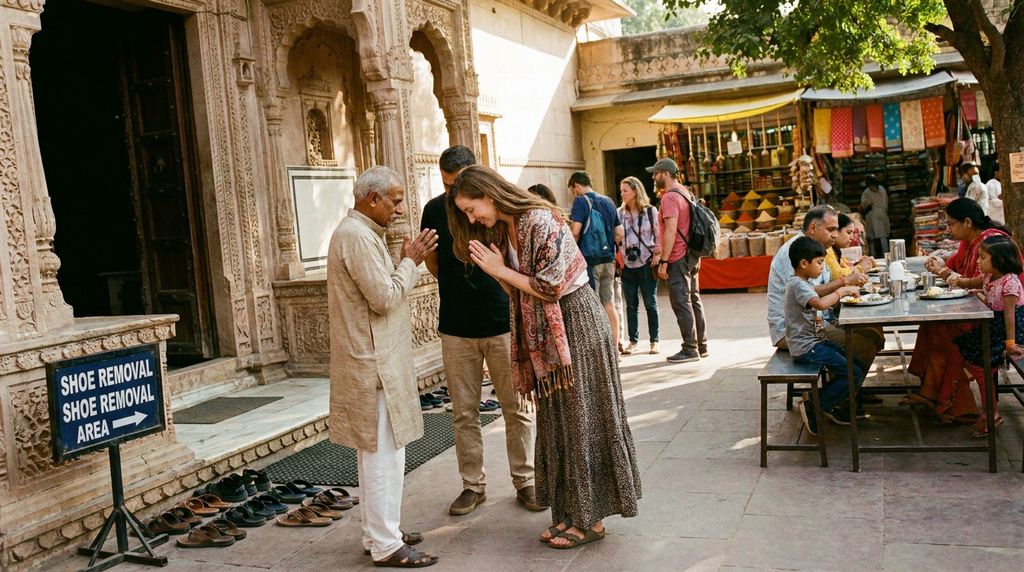
Respect is one of the most important parts of responsible travel.
Dress Respectfully
When visiting religious sites, modest clothing is generally the safer choice.
Some temples may have specific dress requirements.
Remove Shoes When Required
Many temples and religious spaces require visitors to remove shoes.
Follow posted instructions or ask politely.
Ask Before Taking Photos
Do not assume people want their photograph taken.
A simple request can prevent uncomfortable situations.
Learn a Few Local Words
English is widely used in many tourist areas, but learning a few Indian greetings can make interactions warmer.
Useful words include:
- Namaste
- Dhanyavaad
- Kripya
- Ji
Respect Religious Practices
Avoid touching religious objects, entering restricted areas, or interrupting ceremonies for photographs.
Where to Stay in India
India has accommodation for nearly every budget.
| Accommodation | Best For | Typical Experience |
| Luxury hotels | Comfort | Premium services |
| Heritage hotels | Culture | Historic buildings |
| Boutique hotels | Couples | Personalized atmosphere |
| Mid-range hotels | Families | Comfort and value |
| Hostels | Solo travelers | Budget and social |
| Homestays | Cultural immersion | Local experience |
| Resorts | Relaxation | Amenities and privacy |
Heritage Hotels
Rajasthan is particularly famous for heritage properties.
Staying in a restored palace can turn accommodation into part of the travel experience.
Family-Friendly Hotels
Families traveling from the USA may want:
- Air conditioning
- Breakfast
- Elevator access
- Reliable Wi-Fi
- 24-hour reception
- Airport transfers
- Family rooms
Best Time to Visit India

There is no single “best month” for the entire country.
India has multiple climate zones, so your ideal travel season depends on your destination.
October to March
Often popular for many North Indian destinations because temperatures can be more comfortable.
Good choices may include:
- Delhi
- Agra
- Jaipur
- Rajasthan
- Varanasi
April to June
Hot weather affects many parts of India, but Himalayan destinations can become attractive.
Consider:
- Himachal Pradesh
- Ladakh
- Uttarakhand
- Sikkim
Monsoon Season
Rain can dramatically change travel conditions.
However, monsoon can also make some landscapes lush and beautiful.
Kerala and parts of Western India can offer very different experiences during rainy months.
Expert rule: Choose the destination first, then check its climate and seasonal conditions.
Pros and Cons of Traveling to India
| Pros | Cons |
| Huge cultural diversity | Long travel distances |
| Incredible food | Crowded cities |
| Many budget options | Traffic can be challenging |
| Historic attractions | Weather varies greatly |
| Beautiful landscapes | First trip may feel overwhelming |
| Strong family travel options | Some destinations require careful planning |
| Rich spiritual experiences | Travel pace can be tiring |
India is best for travelers who are curious, flexible, and willing to experience something different from everyday life in the USA.
India Travel Budget: How Much Should You Plan?
Your total cost depends heavily on travel style.
Budget Travel
Budget travelers can save money with:
- Guesthouses
- Hostels
- Local restaurants
- Public transportation
- Fewer domestic flights
Mid-Range Travel
A mid-range trip might combine:
- Comfortable hotels
- Domestic flights
- Private transfers
- Guided sightseeing
- Restaurants and local food
Luxury Travel
Luxury travelers can choose:
- Five-star hotels
- Palace properties
- Private guides
- Chauffeured transportation
- Premium dining
- Customized experiences
Don’t Forget Hidden Costs
Build your budget around:
- International airfare
- Visa fees
- Domestic flights
- Hotels
- Transportation
- Entrance tickets
- Guides
- Food
- Travel insurance
- Shopping
- Tips
- Emergency expenses
Common Mistakes First-Time India Travelers Make

Planning Too Many Cities
Trying to visit eight cities in ten days may look exciting on paper but can become exhausting.
Better: Choose one or two regions.
Ignoring Travel Time
A short distance on a map does not always mean a short journey.
Traffic, road conditions, airport procedures, and train schedules can affect your day.
Booking Everything at the Last Minute
Popular hotels, trains, flights, and tours can sell out during busy periods.
Treating India as One Culture
India is incredibly diverse.
Don’t assume traditions, food, languages, and customs are identical everywhere.
Packing for One Climate
A trip covering Rajasthan and the Himalayas may require completely different clothing.
Forgetting Rest Days
Jet lag plus a busy sightseeing schedule can be exhausting.
Build slower mornings into your itinerary.
Expert Tips for a Better India Trip
Here are practical tips that can make your journey smoother.
Start With Your Travel Goal
Ask yourself:
“What do I want from my India trip?”
Do you want:
- Culture?
- Food?
- Spirituality?
- Wildlife?
- Beaches?
- Mountains?
- Luxury?
- Family time?
- Photography?
Your answer should determine your itinerary.
Don’t Chase Every Famous Attraction
A smaller city or village can sometimes become your favorite memory.
Book Strategic Domestic Flights
If your itinerary crosses large distances, flights can save valuable vacation time.
Carry a Small Day Bag
Keep essentials such as:
- Phone
- Power bank
- Water
- Passport copy
- Medication
- Tissues
- Hand sanitizer
- Sunglasses
Keep Digital Copies
Save travel documents securely online and offline.
Use Local Guides Selectively
A knowledgeable guide can add context to historical sites and cultural experiences.
Leave Space for Spontaneous Experiences
Don’t schedule every minute.
Some of the best India memories happen during unplanned conversations, meals, markets, or neighborhood walks.
India Travel Checklist for USA Travelers
Use this checklist before departure.
Documents
- Valid passport
- Appropriate Indian visa/e-Visa or other required travel authorization
- Flight tickets
- Hotel confirmations
- Travel insurance information
- Emergency contacts
- Copies of important documents
Money
- Credit/debit cards
- Backup payment method
- Some local currency
- Bank travel notification if needed
Technology
- Smartphone
- Chargers
- Power bank
- Appropriate travel adapter
- Offline maps
- Important reservations saved offline
Health
- Prescription medicines
- Basic first-aid supplies
- Hand sanitizer
- Sunscreen
- Personal health supplies
- Health consultation before travel when appropriate
Clothing
- Comfortable walking shoes
- Lightweight clothing
- Modest clothing for religious sites
- Weather-appropriate layers
- Sun protection
How Namaste India Trip Blog Can Help You Explore India
The idea behind Namaste India Trip Blog – Explore India With Us is to make India travel easier to understand.
A strong India travel website should help readers move through every stage of their journey:
Before the Trip
Travelers need:
- Destination guides
- Visa information
- Itinerary ideas
- Budget planning
- Weather information
- Packing advice
During the Trip
They need:
- Local transportation tips
- Food recommendations
- Cultural etiquette
- Sightseeing suggestions
- Family travel advice
- Safety reminders
After the Trip
Travel content can also help travelers:
- Share memories
- Discover new destinations
- Plan their next India trip
- Learn about Indian culture
- Compare regions
This approach makes a travel blog more useful than a simple list of tourist attractions.
FAQs
What is the best place to visit in India for first-time travelers?
The Golden Triangle Delhi, Agra, and Jaipur is one of the easiest introductions to India’s history, architecture, food, and culture.
How many days do I need for an India trip?
For a first trip, 10–14 days is a useful starting point. Shorter trips can work if you focus on one region.
Is India good for American tourists?
Yes. India offers extensive tourism infrastructure and experiences for international visitors. However, first-time travelers should prepare carefully for transportation, weather, cultural differences, and local conditions.
What is the best month to visit India?
There is no universal best month. October through March is often popular for many North Indian destinations, while Himalayan, coastal, and southern destinations can have different ideal seasons.
What should I eat in India?
Try regional dishes rather than limiting yourself to familiar Indian food. Dosa, thali, biryani, chole, regional curries, kebabs, and traditional sweets are excellent starting points.
Is India expensive for American travelers?
India can accommodate different budgets. Travelers can choose budget hotels and local transport or luxury hotels, private drivers, and premium experiences.
Should I travel around India by train or plane?
Use trains when the journey itself is part of the experience or when routes are convenient. For very long distances, domestic flights can save time.
What should I wear when visiting temples in India?
Choose respectful, modest clothing and follow the specific rules of each religious site.
Do I need a visa to visit India from the USA?
U.S. citizens generally need appropriate authorization to enter India. Eligible travelers may use India’s official e-Visa system, while requirements vary by traveler and purpose. Check the official Indian visa portal before departure.
What is the biggest mistake to avoid on an India vacation?
Trying to see too much too quickly. Choose fewer destinations and give yourself enough time to enjoy each place.
Concluion
Namaste India Trip Blog – Explore India With Us should be more than a collection of destination names. The best India travel content helps readers understand where to go, when to go, how to move around, what to eat, how to respect local culture, how much time to allow, and how to build a realistic itinerary.
For travelers from the USA, the smartest approach is to start small. Choose a region that matches your interests instead of trying to experience the entire country in one vacation. Whether your dream involves the Taj Mahal, Rajasthan’s royal heritage, Kerala’s backwaters, Varanasi’s spiritual atmosphere, Himalayan adventures, Indian cuisine, or a family reunion, India offers countless ways to create a memorable journey.
Use this guide as your starting point, verify current visa and health requirements through official sources, plan your major transportation and accommodation early, and leave room for unexpected discoveries.
Ready to explore India? Start with one region, one great itinerary, and an open mind and let your India story begin.
