

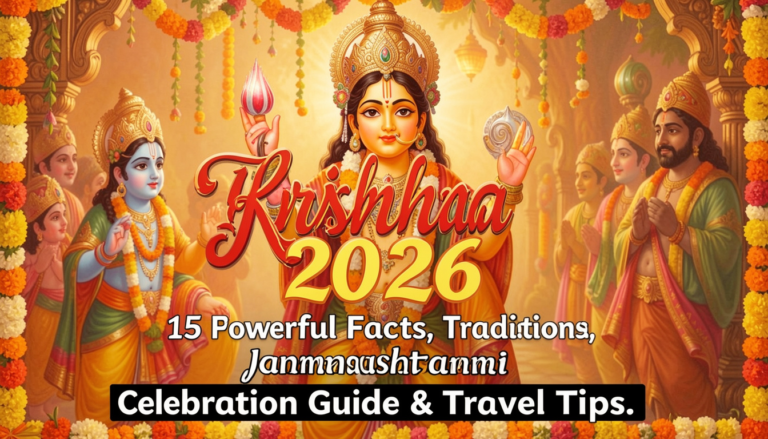
Krishna Janmashtami is one of the most colorful and meaningful Hindu festivals celebrated across the world. It marks the birth of Lord Krishna, who is respected as a symbol of love, wisdom, courage, and compassion. Every year, millions of devotees visit temples, observe fasting, sing devotional songs, and celebrate with family and friends. The festival creates an atmosphere filled with joy, faith, and cultural traditions.
For travelers, Krishna Janmashtami offers a unique opportunity to experience India’s rich spiritual heritage. From beautifully decorated temples to vibrant cultural performances and midnight celebrations, every moment reflects centuries of devotion. Whether you plan to celebrate in India or attend festivities in the United States, this guide explains everything you need to know, including the festival’s history, significance, traditions, and practical travel advice.
Quick Answer
Krishna Janmashtami is one of the most important Hindu festivals, celebrating the birth of Lord Krishna, the eighth incarnation of Lord Vishnu. It is observed with fasting, devotional songs, midnight prayers, temple visits, cultural performances, and the joyful reenactment of Krishna’s childhood stories. In 2026, devotees across India, the United States, and many other countries will celebrate the festival with great devotion and festive spirit.
Krishna Janmashtami is one of the most colorful and meaningful Hindu festivals celebrated across the world. It marks the birth of Lord Krishna, who is respected as a symbol of love, wisdom, courage, and compassion. Every year, millions of devotees visit temples, observe fasting, sing devotional songs, and celebrate with family and friends. The festival creates an atmosphere filled with joy, faith, and cultural traditions.
For travelers, Krishna Janmashtami offers a unique opportunity to experience India’s rich spiritual heritage. From beautifully decorated temples to vibrant cultural performances and midnight celebrations, every moment reflects centuries of devotion. Whether you plan to celebrate in India or attend festivities in the United States, this guide explains everything you need to know, including the festival’s history, significance, traditions, and practical travel advice.
What Is Krishna Janmashtami?
Krishna Janmashtami is a sacred Hindu festival that celebrates the birth of Lord Krishna, believed to be the eighth avatar of Lord Vishnu. According to Hindu tradition, Krishna was born in the city of Mathura to Devaki and Vasudeva during a time when evil ruler King Kansa oppressed the people.
The festival is observed on the eighth day (Ashtami) of the dark fortnight in the Hindu month of Bhadrapada, usually falling in August or September.
Millions of devotees celebrate by:
- Visiting temples
- Observing fasts
- Reading the Bhagavad Gita
- Singing bhajans and kirtans
- Decorating Krishna idols
- Offering butter, sweets, and fruits
- Performing midnight worship
- Participating in cultural dramas about Krishna’s life
Children are often dressed as young Krishna and Radha, adding color and excitement to community celebrations.
Today, Krishna Janmashtami is celebrated not only in India but also in countries such as the United States, Canada, the United Kingdom, Australia, Singapore, Nepal, and Mauritius, where Hindu communities organize grand festivals featuring devotional music, traditional dances, and cultural programs.
Quick Facts About Krishna Janmashtami
| Feature | Details |
| Festival Type | Hindu Religious Festival |
| Celebrates | Birth of Lord Krishna |
| Main Deity | Lord Krishna |
| Hindu Month | Bhadrapada |
| Celebration Time | August or September |
| Main Ritual | Midnight Prayer |
| Popular Foods | Butter, Milk Sweets, Fruits, Panchamrit |
| Famous Locations | Mathura, Vrindavan, Dwarka, ISKCON Temples |
| Celebrated In | India and Worldwide |
Why Is Lord Krishna So Important?
Lord Krishna represents many qualities that inspire people in everyday life.
He teaches:
- Love without conditions
- Duty with honesty
- Courage during difficult times
- Compassion toward others
- Faith in God
- Selfless service
- Wisdom through the Bhagavad Gita
His teachings continue to guide millions of people seeking peace, purpose, and spiritual growth.
Why Krishna Janmashtami Is Celebrated
The primary purpose of Krishna Janmashtami is to honor the birth of Lord Krishna and remember his divine mission of protecting righteousness while defeating evil.
According to Hindu scriptures, the Earth was suffering under the cruel rule of King Kansa. His actions caused fear and injustice throughout the kingdom. To restore balance and protect humanity, Lord Vishnu took birth as Krishna.
Krishna’s life teaches that goodness ultimately triumphs over evil. His stories inspire people to remain truthful, courageous, and kind even during life’s greatest challenges.
The festival also celebrates Krishna’s many roles throughout his life.
As a Child
People remember his playful nature, his love for butter, and the joyful stories from Gokul and Vrindavan.
As a Friend
Krishna demonstrated loyalty, kindness, and unwavering support for those he loved.
As a Teacher
Through the Bhagavad Gita, Krishna shared timeless wisdom about duty, faith, and inner peace.
As a Protector
He defeated many evil forces and protected innocent people, becoming a symbol of justice and divine strength.
Spiritual Significance
Krishna Janmashtami reminds devotees that spiritual growth begins with faith, compassion, and selfless action.
Many believers use this day to:
- Practice meditation
- Read sacred scriptures
- Donate food and clothing
- Help those in need
- Spend time with family
- Pray for peace and happiness
The festival is not only about celebrating Krishna’s birth but also about applying his teachings to everyday life.
Why Travelers Love Krishna Janmashtami
Visitors from around the world enjoy the festival because it combines spirituality, culture, music, art, and community celebrations.
Highlights include:
- Beautiful temple decorations
- Traditional dance performances
- Devotional music
- Colorful processions
- Local sweets and festive foods
- Family-friendly cultural events
- Historic pilgrimage sites
For travelers, Krishna Janmashtami offers an unforgettable cultural experience that showcases India’s vibrant traditions and warm hospitality.
Why Krishna Janmashtami Is Celebrated
Lord Krishna standing with a glowing divine aura, peacock feather crown, flute in hand, surrounded by joyful devotees, decorated temple, golden lights, lotus flowers, spiritual atmosphere, ultra-realistic, cinematic lighting, vibrant colors, 8K, travel photography style, no text.
History and Origin of Krishna Janmashtami
The history of Krishna Janmashtami dates back thousands of years and is deeply rooted in Hindu scriptures, including the Bhagavata Purana, Harivamsa, and the Mahabharata. These sacred texts describe the miraculous birth of Lord Krishna and his role in restoring righteousness during a time of injustice.
According to tradition, Krishna was born in a prison cell in Mathura, where his parents, Devaki and Vasudeva, were imprisoned by the tyrannical King Kansa. A prophecy had foretold that Devaki’s eighth son would one day defeat Kansa. Fearing this prediction, Kansa imprisoned the couple and killed their first seven children.
When Krishna was born at midnight, it is believed that divine intervention allowed Vasudeva to safely carry the newborn across the Yamuna River to Gokul, where Krishna was raised by Nanda and Yashoda. This journey symbolizes hope, faith, and the triumph of divine protection over fear.
As Krishna grew, he became known for his playful childhood, miraculous deeds, and profound spiritual teachings. Later, as the guide of Arjuna in the Bhagavad Gita, he shared timeless lessons about duty, devotion, and living a righteous life.
Today, Krishna Janmashtami commemorates these events with prayers, fasting, devotional music, dramatic reenactments, and midnight celebrations that unite millions of devotees across the globe.
Historical Highlights
| Event | Significance |
| Birth in Mathura | Marks the arrival of Lord Krishna to restore righteousness |
| Escape to Gokul | Symbolizes divine protection and hope |
| Childhood in Vrindavan | Celebrated through stories of joy, love, and miracles |
| Teachings in the Bhagavad Gita | Foundation of Hindu philosophy on duty and devotion |
| Modern Celebrations | Unite communities worldwide through faith and culture |
When Is Krishna Janmashtami Celebrated?
Krishna Janmashtami is celebrated every year on the eighth day (Ashtami) of the Krishna Paksha (waning moon) in the Hindu month of Bhadrapada. Because the Hindu calendar follows the lunar cycle, the festival falls on different dates each year, usually during August or September.
Devotees believe that Lord Krishna was born at midnight, so the most important prayers and ceremonies take place around 12:00 AM. Many people observe a day-long fast and break it only after the midnight worship or the following morning, depending on local traditions.
The celebration often lasts more than one day in many regions, especially in temple towns where cultural events, devotional singing, and religious processions continue throughout the festival period.
Krishna Janmashtami Timeline
| Event | Time |
| Morning Prayers | Sunrise |
| Temple Decorations | Morning to Afternoon |
| Fasting Begins | Early Morning |
| Bhajans & Kirtans | Throughout the Day |
| Krishna Birth Reenactments | Evening |
| Midnight Aarti | Around 12:00 AM |
| Fast Breaking (Parana) | Next Day (According to Tradition) |
Best Time to Experience the Festival
For travelers, the most exciting time is the evening leading up to midnight. Temples become beautifully illuminated with oil lamps, flowers, and colorful decorations. Devotional music fills the air, and thousands of worshippers gather to witness the symbolic birth of Lord Krishna.
Travel Tip
If you’re planning to visit a famous temple, arrive at least 3–5 hours early. Major pilgrimage sites attract massive crowds, and early arrival gives you a better chance to enjoy the celebrations comfortably.
Popular Krishna Janmashtami Traditions and Rituals
Krishna Janmashtami is celebrated with devotion, music, fasting, and joyful community gatherings. Every ritual reflects an important part of Lord Krishna’s life and teachings.
Although customs vary from one region to another, several traditions are observed almost everywhere.
Fasting (Vrat)
Many devotees keep a strict fast throughout the day as an act of devotion. Some consume only fruits, milk, and water, while others avoid food entirely until the midnight celebration.
Fasting symbolizes self-control, spiritual discipline, and gratitude.
Midnight Worship
Since Lord Krishna is believed to have been born at midnight, the main ceremony takes place at exactly this time.
Devotees gather in temples to:
- Offer flowers
- Sing bhajans
- Perform aarti
- Ring temple bells
- Chant Krishna’s holy names
- Offer sweets and butter
The atmosphere becomes joyful as priests place a beautifully decorated idol of baby Krishna in a cradle.
Decorating Temples and Homes
Homes and temples are transformed with:
- Fresh flower garlands
- Rangoli designs
- Colorful lights
- Peacock feathers
- Banana leaves
- Decorative swings and cradles
Small footprints are often drawn from the entrance to the prayer room to symbolize Krishna entering the home.
Jhulan (Swing Ceremony)
One of the most loved traditions is placing baby Krishna in a beautifully decorated cradle or swing.
Families gently rock the cradle while singing devotional songs, symbolizing the joyful welcome of the divine child.
Reading Sacred Scriptures
Many devotees spend time reading:
- Bhagavad Gita
- Bhagavata Purana
- Krishna Leela stories
These readings help people understand Krishna’s teachings about faith, courage, compassion, and righteous living.
Bhajans and Kirtans
Devotional music is an important part of Krishna Janmashtami.
Communities gather to sing:
- Traditional bhajans
- Hare Krishna Mahamantra
- Krishna kirtans
- Spiritual hymns
The music creates a peaceful and uplifting atmosphere throughout the day.
Dahi Handi Celebration
In several parts of India, especially Maharashtra, young people form human pyramids to break a clay pot filled with yogurt, butter, or sweets.
This event recreates Krishna’s childhood habit of stealing butter and has become one of the festival’s most exciting attractions.
Most Common Janmashtami Rituals
| Ritual | Meaning |
| Fasting | Self-discipline and devotion |
| Midnight Prayer | Celebrating Krishna’s birth |
| Temple Visit | Worship and blessings |
| Bhajans | Devotional singing |
| Scripture Reading | Spiritual learning |
| Dahi Handi | Krishna’s playful childhood |
| Decorating the Cradle | Welcoming baby Krishna |
| Charity | Compassion and kindness |
Janmashtami Celebration Checklist
✔ Visit a Krishna temple
✔ Observe fasting if appropriate
✔ Attend midnight aarti
✔ Offer butter, fruits, and sweets
✔ Read a chapter from the Bhagavad Gita
✔ Join devotional singing
✔ Wear traditional attire
✔ Take part in community celebrations
✔ Respect temple customs
✔ Capture memories while being mindful of worshippers
Krishna Janmashtami in the United States
Krishna Janmashtami has become one of the most widely celebrated Hindu festivals in the United States, thanks to its growing Indian-American community and the presence of many Hindu temples and cultural organizations.
Across cities such as New York, New Jersey, Chicago, Houston, Dallas, Los Angeles, San Francisco, Atlanta, and Seattle, temples host vibrant celebrations that welcome both devotees and visitors from all backgrounds.
Many events are family-friendly and include cultural performances, educational exhibits, and opportunities to learn about Hindu traditions.
What You Can Expect
Visitors attending Krishna Janmashtami celebrations in the USA can enjoy:
- Beautiful temple decorations
- Traditional Indian music
- Classical dance performances
- Children’s Krishna costume competitions
- Bhagavad Gita discussions
- Vegetarian food festivals
- Community prayers
- Cultural exhibitions
- Midnight aarti
Many temples also livestream the celebrations, allowing people across the country to participate virtually.
Janmashtami in India vs. USA
| Feature | India | United States |
| Crowd Size | Very Large | Moderate |
| Temple Celebrations | Grand | Well Organized |
| Cultural Programs | Extensive | Family Focused |
| Dahi Handi | Common | Limited |
| Tourist Experience | Traditional | Multicultural |
| Accessibility | Busy | Comfortable |
| English Guidance | Limited in Some Areas | Widely Available |
Travel Tips for International Visitors
- Wear modest clothing suitable for a place of worship.
- Remove your shoes before entering temple halls.
- Arrive early for popular events and parking.
- Follow photography rules, as some temples restrict photos during prayers.
- Stay hydrated if attending outdoor celebrations.
- Respect local customs and remain quiet during religious ceremonies.
- Sample traditional vegetarian dishes offered by the temple.
- Be patient, as larger events may involve waiting in lines.
Best Places to Celebrate Krishna Janmashtami
If you want to experience Krishna Janmashtami at its most vibrant, visit places closely connected with Lord Krishna’s life. These destinations offer grand temple ceremonies, devotional music, cultural performances, and unforgettable spiritual experiences.
Mathura, Uttar Pradesh
Mathura is believed to be the birthplace of Lord Krishna and is the heart of Janmashtami celebrations. During the festival, the city comes alive with decorated temples, devotional chanting, processions, and midnight celebrations.
Highlights
- Shri Krishna Janmabhoomi Temple
- Midnight birth celebration
- Spiritual processions
- Traditional bhajans
- Local sweets and festive markets
Vrindavan, Uttar Pradesh
Vrindavan is where Lord Krishna spent his childhood. Thousands of pilgrims gather here to witness colorful flower decorations, Ras Leela performances, and beautiful temple ceremonies.
Must-Visit Attractions
- Banke Bihari Temple
- Prem Mandir
- ISKCON Vrindavan
- Nidhivan
- Keshi Ghat
Dwarka, Gujarat
Dwarka is one of Hinduism’s Char Dham pilgrimage sites and the kingdom where Lord Krishna later ruled. Janmashtami celebrations here include spectacular evening aartis, temple lighting, and devotional singing.
Best Experiences
- Dwarkadhish Temple
- Sunset aarti
- Cultural performances
- Local handicraft markets
Mumbai, Maharashtra
Mumbai is famous for its energetic Dahi Handi celebrations. Teams of young participants create human pyramids to break pots filled with butter and sweets, recreating Krishna’s playful childhood.
Popular Attractions
- Dahi Handi competitions
- Temple celebrations
- Cultural festivals
- Street performances
ISKCON Temples Worldwide
If you cannot travel to India, ISKCON temples around the world provide wonderful Janmashtami celebrations featuring devotional music, spiritual talks, vegetarian feasts, and family-friendly events.
Comparison of Popular Destinations
| Destination | Famous For | Best For | Crowd Level |
| Mathura | Birthplace of Krishna | Spiritual Pilgrimage | Very High |
| Vrindavan | Childhood Stories | Temple Experience | Very High |
| Dwarka | Krishna’s Kingdom | Peaceful Worship | High |
| Mumbai | Dahi Handi | Cultural Celebration | Very High |
| ISKCON Temples | Global Celebrations | International Visitors | Moderate |
Traditional Foods and Fasting During Krishna Janmashtami
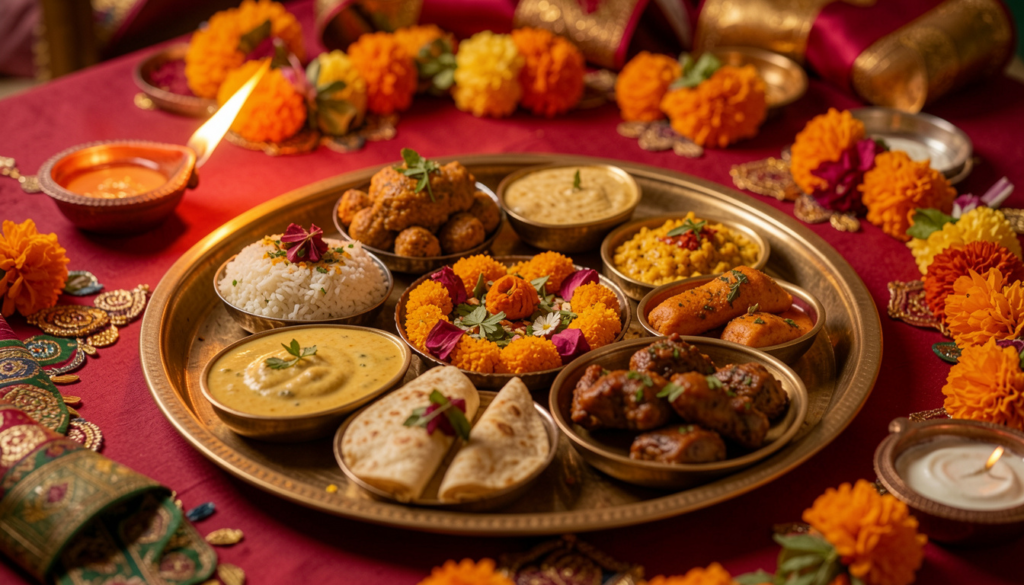
Food plays an important role in Krishna Janmashtami, even though many devotees observe a fast. After the midnight worship, special vegetarian dishes and sweets are offered to Lord Krishna before being shared as Prasad.
Lord Krishna is traditionally associated with butter, milk, yogurt, and sweets, so many festive recipes include dairy products.
Popular Janmashtami Foods
- Makhan (Fresh Butter)
- Panchamrit
- Kheer (Rice Pudding)
- Sabudana Khichdi
- Sabudana Vada
- Singhare Ki Puri
- Makhana Kheer
- Fruit Chaat
- Coconut Ladoo
- Milk-based sweets
Foods Commonly Avoided During the Fast
Many devotees avoid:
- Rice
- Wheat
- Lentils
- Onion
- Garlic
- Meat
- Eggs
- Alcohol
Instead, they eat fruits, milk products, nuts, and fasting-friendly ingredients.
Traditional Offerings to Lord Krishna
| Offering | Symbolism |
| Butter | Krishna’s favorite food |
| Milk | Purity |
| Yogurt | Prosperity |
| Fruits | Gratitude |
| Panchamrit | Divine blessing |
| Tulsi Leaves | Devotion |
| Sweets | Celebration |
Healthy Fasting Tips
- Drink plenty of water.
- Eat fresh fruits for energy.
- Include nuts and seeds.
- Avoid overeating after breaking the fast.
- Rest if you feel tired.
- Consult your doctor if you have health conditions before fasting.
Pros and Cons of Celebrating Krishna Janmashtami
Like any major festival, Krishna Janmashtami offers many wonderful experiences while also presenting a few challenges for travelers and first-time visitors.
| Pros | Cons |
| Rich spiritual experience | Large crowds at famous temples |
| Beautiful cultural traditions | Long waiting times |
| Family-friendly celebrations | Traffic congestion |
| Delicious vegetarian food | Hotels fill quickly |
| Wonderful photography opportunities | Hot and humid weather in some regions |
| Learn about Hindu culture | Limited parking near temples |
| Warm community atmosphere | Popular attractions can be very busy |
| Memorable travel experience | Extra planning may be needed |
Who Should Attend?
Krishna Janmashtami is ideal for:
- Cultural travelers
- Spiritual seekers
- Families
- Photography enthusiasts
- History lovers
- Solo travelers
- Students of Indian traditions
Common Mistakes to Avoid During Krishna Janmashtami
Whether you’re attending in India or the United States, avoiding these common mistakes will help you enjoy a respectful and meaningful experience.
❌ Arriving Too Late
Popular temples become crowded several hours before the midnight celebration. Arriving early helps you avoid long queues and secure a good viewing spot.
❌ Ignoring Dress Codes
Wear modest, comfortable clothing that covers your shoulders and knees. Traditional attire is welcomed but not required.
❌ Forgetting to Remove Shoes
Most temples require visitors to remove their shoes before entering prayer areas.
❌ Taking Photos Without Permission
Some temples allow photography, while others prohibit it during worship. Always ask or follow posted guidelines.
❌ Blocking Worship Areas
Avoid standing in front of prayer lines or temple entrances while taking pictures.
❌ Disrespecting Local Customs
Speak softly, follow instructions from temple volunteers, and respect ongoing religious ceremonies.
❌ Not Planning Transportation
Road closures, heavy traffic, and limited parking are common near major temples during the festival.
Expert Tips for the Best Experience
⭐ Visit temples during both the daytime and midnight celebrations to experience different aspects of the festival.
⭐ Carry a reusable water bottle and stay hydrated, especially if you’re outdoors.
⭐ Book hotels and transportation several weeks in advance if visiting popular destinations like Mathura or Vrindavan.
⭐ Keep cash for small purchases and donations, as some vendors may not accept cards.
⭐ Attend a guided cultural tour to better understand the history and significance of the festival.
⭐ Taste traditional Prasad respectfully when offered—it is considered a sacred blessing.
⭐ Check the temple schedule online before your visit to avoid missing key ceremonies.
⭐ Be patient and enjoy the atmosphere instead of rushing through the celebrations.
Common Mistakes & Expert Tips
Travelers respectfully visiting a beautifully decorated Krishna temple during Janmashtami, wearing modest traditional clothing, removing shoes, observing prayers, vibrant decorations, peaceful spiritual atmosphere, realistic travel photography, cinematic lighting, ultra-detailed, 8K, no text.
FAQs
What is Krishna Janmashtami?
Krishna Janmashtami is a major Hindu festival celebrating the birth of Lord Krishna, the eighth incarnation of Lord Vishnu. Devotees observe fasting, visit temples, sing devotional songs, and attend midnight prayers to honor his life and teachings.
When is Krishna Janmashtami celebrated?
The festival is observed on the Ashtami (eighth day) of the Krishna Paksha in the Hindu month of Bhadrapada, usually falling in August or September. The exact date changes each year because it follows the Hindu lunar calendar.
Why is Krishna Janmashtami celebrated at midnight?
According to Hindu tradition, Lord Krishna was born at midnight in Mathura. Temples perform special prayers, aarti, and ceremonial celebrations at this time to commemorate his birth.
Can non-Hindus celebrate Krishna Janmashtami?
Yes. Many temples around the world welcome visitors from all backgrounds. Guests can respectfully observe the ceremonies, learn about Hindu culture, enjoy devotional music, and experience the festival’s spiritual atmosphere.
What foods are eaten during Krishna Janmashtami?
Popular foods include butter, milk sweets, fruits, Panchamrit, kheer, makhana dishes, sabudana recipes, and other vegetarian offerings. These foods are often first offered to Lord Krishna as Prasad before being shared.
Is fasting compulsory on Krishna Janmashtami?
No. Fasting is a personal act of devotion and is not mandatory. Many people choose a fruit-and-milk fast, while others observe a complete fast or simply participate through prayer and temple visits.
Where are the best places to celebrate Krishna Janmashtami?
Some of the most famous destinations include Mathura, Vrindavan, Dwarka, Mumbai, and ISKCON temples across the world. Each location offers unique traditions, cultural programs, and devotional celebrations.
How is Krishna Janmashtami celebrated in the United States?
Many Hindu temples across the USA organize bhajans, cultural performances, children’s activities, scripture readings, vegetarian feasts, and midnight aarti. These celebrations are often open to visitors and families.
What should visitors wear to a Krishna Janmashtami celebration?
Visitors should wear modest, comfortable clothing suitable for a religious place. Traditional Indian attire is appreciated but not required. Shoes should be removed before entering temple prayer halls.
What is the significance of Dahi Handi?
Dahi Handi recreates Lord Krishna’s childhood pastime of playfully stealing butter. Teams form human pyramids to break a clay pot filled with yogurt, butter, or sweets, symbolizing teamwork, joy, and devotion.
Conclusion
Krishna Janmashtami is much more than a religious festival—it is a celebration of faith, compassion, wisdom, and the timeless teachings of Lord Krishna. Whether you experience the grand midnight ceremonies in Mathura, the devotional atmosphere of Vrindavan, the vibrant Dahi Handi celebrations in Mumbai, or a welcoming ISKCON temple in the United States, the festival offers a meaningful blend of spirituality and culture. Every ritual, from fasting and devotional singing to offering prayers and sharing Prasad, reflects values that continue to inspire millions around the world.
For travelers, Krishna Janmashtami is also an unforgettable cultural journey. Planning ahead, respecting local customs, and participating with an open mind will help you enjoy the celebration to the fullest. If you’re building a travel bucket list or exploring India’s rich heritage, this festival deserves a top spot. Share this guide with friends and family, and let Krishna Janmashtami 2026 inspire your next spiritual and cultural adventure. Happy Janmashtami! 🙏🦚✨
