


Brazil is one of the most vibrant and culturally diverse countries in the world. Known for its breathtaking landscapes, lively festivals, passionate football culture, and warm hospitality, the country has developed countless traditions that reflect its rich history and multicultural heritage. From family gatherings and unique greetings to nationwide celebrations and daily customs, many aspects of Brazilian life are deeply rooted in traditions passed down through generations.
Understanding Brazilian Traditions and Customs provides valuable insight into how Brazilians interact, celebrate, and maintain strong social connections. While some customs may seem unusual to visitors, they are a natural part of everyday life in Brazil. In this guide, we’ll explore 11 fascinating traditions and customs that only Brazilians truly understand and appreciate.
Why Brazilian Traditions and Customs Are Unique
Brazil’s cultural identity is shaped by a blend of Indigenous, African, Portuguese, and immigrant influences. This diversity has created customs that are unlike anywhere else in the world.
Key influences include:
- Portuguese colonial heritage
- African cultural traditions
- Indigenous customs and beliefs
- Italian, German, Japanese, and Middle Eastern immigration
- Regional diversity across Brazil’s vast territory
These influences have produced a culture where celebrations, community, food, and family play central roles.
1. Greeting Everyone with Kisses on the Cheek
One of the most recognizable Brazilian Traditions and Customs is greeting friends and family with kisses on the cheek.
How It Works
Depending on the region:
| Region | Number of Kisses |
| São Paulo | 1 Kiss |
| Rio de Janeiro | 2 Kisses |
| Southern Brazil | 2 or 3 Kisses |
This greeting is common among women and between men and women.
Why It Matters
The gesture reflects warmth, friendliness, and social closeness, which are highly valued in Brazilian culture.
2. Sunday Family Lunch Is Sacred
In Brazil, Sunday lunch is more than just a meal—it’s a family tradition.
Typical Sunday Gathering
Families often gather to enjoy:
- Barbecue (Churrasco)
- Rice and beans
- Salads
- Traditional desserts
- Casual conversation
Cultural Importance
Many Brazilians prioritize family gatherings over other weekend activities. Missing Sunday lunch without a good reason may be considered unusual
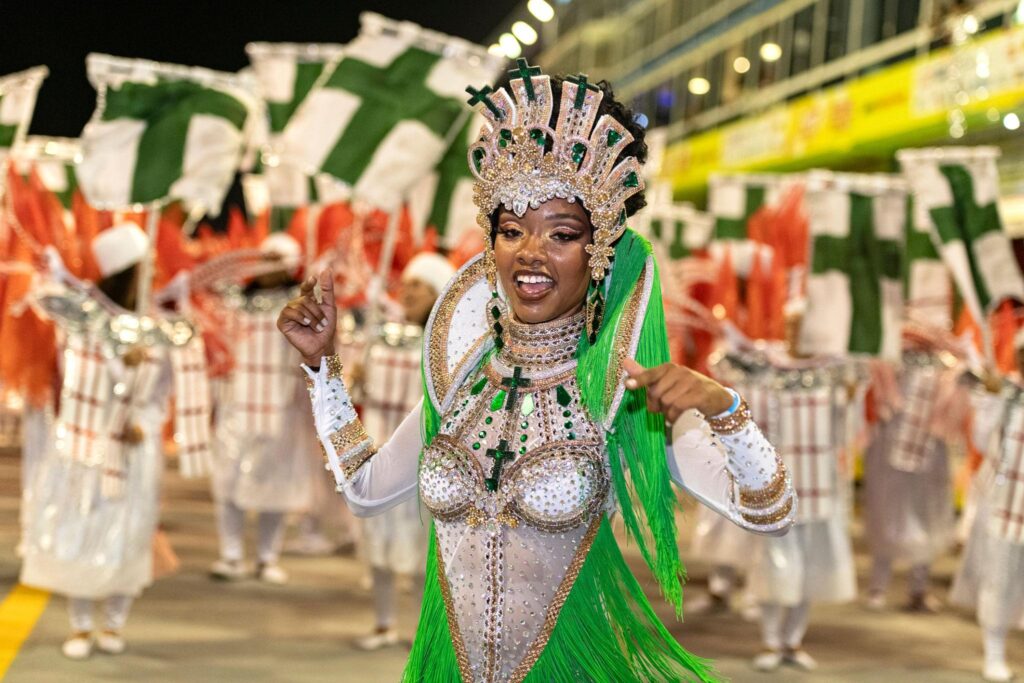
3. Celebrating Carnaval with Passion
No discussion of Brazilian Traditions and Customs is complete without mentioning Carnaval
What Is Carnaval?
Carnaval is Brazil’s largest and most famous festival held before Lent.
Key Features
- Samba parades
- Street parties (Blocos)
- Elaborate costumes
- Music and dancing
- Cultural performances
Why Brazilians Love It
For many Brazilians, Carnaval represents freedom, joy, creativity, and national pride.
4. Watching Football Like a Religion
Football isn’t just a sport in Brazil it’s a way of life.
Football’s Role in Society
People often:
- Support clubs passionately
- Watch matches with friends and family
- Wear team jerseys regularly
- Discuss football daily
Match-Day Atmosphere
During major tournaments, cities come alive with decorations, flags, and celebrations.
5. The Love of Churrasco
What Is Churrasco?
Churrasco is Brazil’s famous barbecue tradition.
Typical Churrasco Foods
| Food | Description |
| Picanha | Prime beef cut |
| Sausage | Popular barbecue item |
| Chicken | Often grilled on skewers |
| Garlic Bread | Common side dish |
Social Significance
Churrasco brings people together and symbolizes friendship and hospitality.
6. Drinking Coffee Throughout the Day
Coffee plays a major role in Brazilian daily life.
Cafezinho Culture
A small, sweet coffee known as Cafezinho is commonly offered:
- At homes
- In offices
- At business meetings
- During social visits
More Than a Beverage
Offering coffee is considered a gesture of welcome and respect.
7. Festa Junina Celebrations
Festa Junina is one of Brazil’s most beloved traditional festivals.
What Happens During Festa Junina?
People enjoy:
- Folk dances
- Traditional costumes
- Bonfires
- Regional foods
- Community celebrations
Traditional Foods
- Corn cake
- Sweet corn dishes
- Peanuts
- Rice pudding
The celebration honors rural traditions and Brazilian heritage.
8. Wearing White on New Year’s Eve
A Unique New Year Tradition
Many Brazilians wear white clothing on New Year’s Eve.
Symbolism
White represents:
- Peace
- Purity
- Good fortune
- Positive energy
Beach Celebrations
Millions gather along beaches to celebrate the arrival of the new year.
9. Jumping Seven Waves for Good Luck
One of the most fascinating Brazilian Traditions and Customs occurs on New Year’s Eve.
The Tradition
People visit the ocean and:
- Face the sea
- Jump seven waves
- Make wishes with each jump
Cultural Meaning
The custom is believed to bring luck, prosperity, and blessings for the coming year.
10. Strong Neighborhood and Community Bonds
Brazilians place great importance on community relationships.
Everyday Examples
Neighbors often:
- Share food
- Celebrate together
- Help during emergencies
- Participate in local events
Why It Matters
Strong social networks contribute to Brazil’s reputation for friendliness and hospitality.
11. Celebrating Birthdays with Unique Customs
Brazilian birthday parties often include traditions unfamiliar to foreigners.
Popular Birthday Customs
- Singing special birthday songs
- Pulling the birthday person’s ears for each year of age
- Large family gatherings
- Sharing cake with guests
Children’s Birthday Parties
Many families invest significant effort in decorations, entertainment, and themed celebrations.
Regional Differences in Brazilian Traditions
Brazil is enormous, and customs vary significantly between regions.
| Region | Notable Traditions |
| North | Indigenous influences |
| Northeast | Strong African heritage |
| Central-West | Rural traditions |
| Southeast | Urban cultural diversity |
| South | European immigrant influences |
Understanding these differences helps visitors appreciate the complexity of Brazilian culture.
How Visitors Can Respect Brazilian Customs
When visiting Brazil, following local customs helps create positive interactions.
Helpful Tips
- Greet people warmly.
- Accept offered coffee when possible.
- Participate in social gatherings.
- Respect family traditions.
- Be open to conversation.
- Embrace local celebrations.
These small gestures often leave a positive impression.
The Role of Family in Brazilian Culture
Family remains at the heart of many Brazilian Traditions and Customs.
Family Values
Common characteristics include:
- Frequent gatherings
- Multigenerational support
- Strong emotional connections
- Shared celebrations
These values influence many aspects of Brazilian daily life.
How Traditions Continue in Modern Brazil
Although Brazil has become increasingly urbanized and modernized, traditional customs remain important.
Modern Adaptations
Today’s Brazilians continue traditions through:
- Social media celebrations
- Modern Carnaval events
- Family video calls
- Community festivals
- Cultural education
This balance between tradition and modernity helps preserve Brazil’s cultural identity.
FAQs
What are the most famous Brazilian Traditions and Customs?
Some of the most famous traditions include Carnaval celebrations, churrasco barbecues, Sunday family lunches, wearing white on New Year’s Eve, and greeting people with kisses on the cheek.
Why do Brazilians wear white on New Year’s Eve?
Many Brazilians wear white because it symbolizes peace, harmony, protection, and good fortune for the upcoming year.
What is the importance of Carnaval in Brazil?
Carnaval is Brazil’s largest cultural celebration, featuring samba parades, music, dancing, costumes, and street festivals that showcase national pride and creativity.
What is a Cafezinho in Brazilian culture?
Cafezinho is a small, sweet coffee commonly offered to guests as a sign of hospitality and friendliness.
Why is family important in Brazilian Traditions and Customs?
Family plays a central role in Brazilian culture, influencing celebrations, meals, social gatherings, and many traditions that strengthen relationships across generations.
Conclusion
The richness of Brazilian Traditions and Customs reflects the country’s unique blend of cultures, history, and social values. Whether it’s greeting friends with a kiss on the cheek, gathering for Sunday lunch, celebrating Carnaval, enjoying churrasco, or jumping seven waves for good luck, these customs reveal the warmth, hospitality, and joyful spirit that define Brazilian life.
For visitors, understanding these traditions offers a deeper appreciation of Brazil beyond its famous beaches and football stadiums. For Brazilians, these customs represent cherished connections to family, community, and national identity. As Brazil continues to evolve, these beloved traditions remain an essential part of everyday life and cultural pride.
Read More:
Tanzania Safari – Compare 8,705 Tours – Ultimate Travel Guide
India Travel Guide 2026: 25 Stunning Places You Must Visit This Year
