

Dalada Maligawa, also known as the Temple of the Sacred Tooth Relic, is one of Sri Lanka’s most treasured cultural and spiritual landmarks. Located in the historic city of Kandy, this sacred Buddhist temple attracts millions of pilgrims and international travelers every year. Famous for housing the revered Tooth Relic of Lord Buddha, Dalada Maligawa is far more than a religious site it is a symbol of Sri Lanka’s rich heritage, royal history, and enduring Buddhist traditions.
For visitors from the USA and around the world, Dalada Maligawa offers an unforgettable blend of spirituality, stunning architecture, and cultural discovery. The temple’s beautifully decorated halls, golden shrine, traditional ceremonies, and peaceful surroundings create an experience unlike any other in Asia. Whether you are passionate about history, architecture, photography, or religious heritage, every visit reveals something remarkable about Sri Lanka’s identity and centuries old customs.
History of Dalada Maligawa
Dalada Maligawa has stood at the heart of Sri Lanka’s religious and cultural identity for centuries. Known worldwide as the Temple of the Sacred Tooth Relic, it has served as both a place of worship and a symbol of royal authority. According to tradition, whoever protected the Sacred Tooth Relic was considered the rightful ruler of Sri Lanka, making the temple one of the country’s most historically significant landmarks.
Today, visitors come not only to admire its remarkable architecture but also to learn about the fascinating stories, royal traditions, and spiritual heritage that have shaped Dalada Maligawa into one of the most respected Buddhist temples in the world.
Origins of the Sacred Tooth Relic
The Sacred Tooth Relic is believed to have been brought from India to Sri Lanka during the 4th century AD. Historical accounts state that the relic was secretly transported by Princess Hemamali and Prince Dantha to protect it during times of political unrest. Once it arrived in Sri Lanka, the relic became one of the island’s most treasured religious possessions and has been carefully safeguarded ever since.
Royal Legacy of Dalada Maligawa
Throughout Sri Lanka’s history, several kingdoms protected the Sacred Tooth Relic by moving it whenever capitals changed. When Kandy became the final royal capital, the kings built Dalada Maligawa beside the Royal Palace Complex. Over time, successive monarchs expanded and beautified the temple, adding elegant halls, decorative carvings, and ceremonial spaces that continue to impress visitors today.
Preservation Through the Centuries
Despite wars, invasions, and natural disasters, Dalada Maligawa has remained one of Sri Lanka’s most important religious monuments. Continuous restoration efforts have preserved its architectural beauty while maintaining its sacred atmosphere. Today, the temple is recognized as part of the UNESCO-listed Sacred City of Kandy, ensuring that future generations can continue to appreciate its remarkable historical and cultural significance.
Why Dalada Maligawa Is One of Sri Lanka’s Most Sacred Temples
Dalada Maligawa is more than an architectural masterpiece.it is the spiritual heart of Sri Lankan Buddhism. Every day, thousands of devotees visit the temple to pay their respects to the Sacred Tooth Relic of Lord Buddha, believing it brings blessings, peace, and prosperity. For centuries, the temple has played a central role in the country’s religious life and remains one of the most visited pilgrimage destinations in Asia.
Even for travelers who are not Buddhist, visiting Dalada Maligawa offers a unique opportunity to witness living traditions, sacred rituals, and the deep cultural values that continue to shape Sri Lankan society.
The Sacred Tooth Relic of Lord Buddha
The main reason Dalada Maligawa is revered worldwide is because it houses the Sacred Tooth Relic of Lord Buddha. Although the relic itself is kept securely inside a series of ornate golden caskets and is not displayed directly to the public, visitors can observe the ceremonial shrine during daily worship sessions and experience the temple’s deeply spiritual atmosphere.
Daily Religious Ceremonies
The temple holds three daily worship ceremonies, known as Thevava, attracting both pilgrims and tourists. During these ceremonies, visitors can witness offerings of flowers, incense, and traditional music performed by drummers and temple musicians. These rituals provide a meaningful insight into Buddhist devotion and are among the highlights of any visit to Dalada Maligawa.
UNESCO Recognition and Cultural Importance
As part of the UNESCO World Heritage-listed Sacred City of Kandy, Dalada Maligawa is recognized for its exceptional religious, historical, and cultural value. The temple preserves centuries-old traditions while continuing to serve as an active place of worship. Its influence extends beyond Sri Lanka, making it one of the world’s most important Buddhist pilgrimage sites and an essential destination for travelers interested in culture, history, and spirituality.
Architecture and Highlights of Dalada Maligawa
The stunning architecture of Dalada Maligawa reflects centuries of Sri Lankan craftsmanship, royal influence, and Buddhist artistic traditions. Every corner of the temple showcases intricate wood carvings, elegant stonework, golden decorations, and beautifully painted ceilings that tell stories of the island’s rich history. Visitors are often amazed by the peaceful atmosphere and the remarkable attention to detail found throughout the temple complex.
Beyond its religious importance, Dalada Maligawa is also an architectural treasure that attracts photographers, historians, and travelers interested in cultural heritage. Exploring the complex reveals a fascinating blend of traditional Kandyan design and royal elegance.
The Golden Shrine and Sacred Chamber
The temple’s most sacred area is the Golden Shrine, where the Sacred Tooth Relic is preserved inside a series of beautifully crafted golden caskets. Although the relic itself is not visible to visitors, the shrine’s ornate decorations, precious metals, and spiritual atmosphere make it the focal point of every visit. Pilgrims gather here during daily ceremonies to offer flowers and prayers.
Royal Palace Complex and Museums
Adjacent to Dalada Maligawa is the historic Royal Palace Complex, once home to the kings of Kandy. Visitors can explore museums displaying royal artifacts, ancient manuscripts, ceremonial objects, and exhibits explaining the history of the Sacred Tooth Relic. These attractions provide valuable context for understanding the temple’s role in Sri Lanka’s royal and religious history.
Traditional Kandyan Architecture
The temple beautifully represents traditional Kandyan architecture through its tiled roofs, carved wooden pillars, decorative stone entrances, moonstones, and detailed murals. The surrounding moat, octagonal pavilion, and peaceful courtyards further enhance the beauty of Dalada Maligawa, making it one of the finest examples of Sri Lanka’s historic architectural heritage.
Best Time to Visit Dalada Maligawa
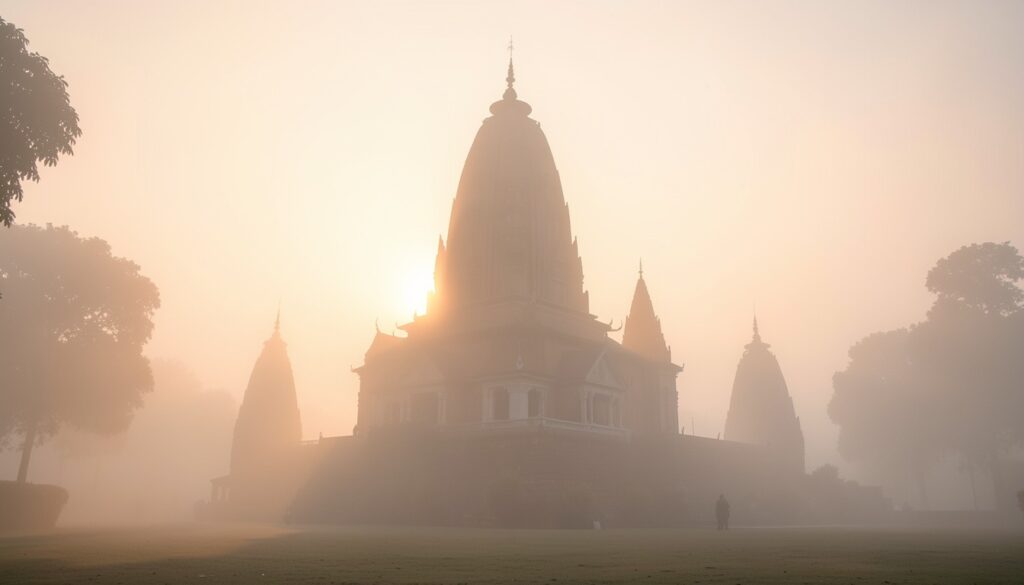
Planning your visit during the right season can greatly enhance your experience at Dalada Maligawa. While the temple welcomes visitors throughout the year, weather conditions, local festivals, and crowd levels can influence your trip. Whether you prefer peaceful sightseeing or vibrant cultural celebrations, choosing the ideal time allows you to appreciate the temple’s spiritual atmosphere and architectural beauty.
Morning visits are generally the most comfortable, offering cooler temperatures and a quieter environment for exploring the temple complex before larger crowds arrive.
Visit During the Esala Perahera Festival
The annual Esala Perahera, usually held between July and August, is the most spectacular time to visit Dalada Maligawa. This world-famous festival features traditional dancers, drummers, fire performers, beautifully decorated elephants, and colorful cultural processions through the streets of Kandy. It is one of Asia’s most impressive religious celebrations and attracts visitors from around the world.
Best Weather for Sightseeing
The months from December to April generally provide pleasant weather for exploring Kandy and its surrounding attractions. Clear skies and comfortable temperatures make it easier to walk around the temple complex, enjoy Kandy Lake, and visit nearby gardens and museums. Since this is also a popular travel season, booking accommodations early is recommended.
Daily Visiting Hours and Worship Times
Many travelers plan their visit around the temple’s daily worship ceremonies to experience its unique spiritual atmosphere. Arriving 30 to 45 minutes before a ceremony provides enough time for security checks and finding a good viewing spot.
| Information | Details |
| Best Months | December–April |
| Festival Season | July–August (Esala Perahera) |
| Recommended Visit Time | Early Morning or Evening |
| Average Visit Duration | 2–3 Hours |
| Dress Code | Modest clothing covering shoulders and knees |
Entrance Fees, Dress Code, and Visitor Information for Dalada Maligawa
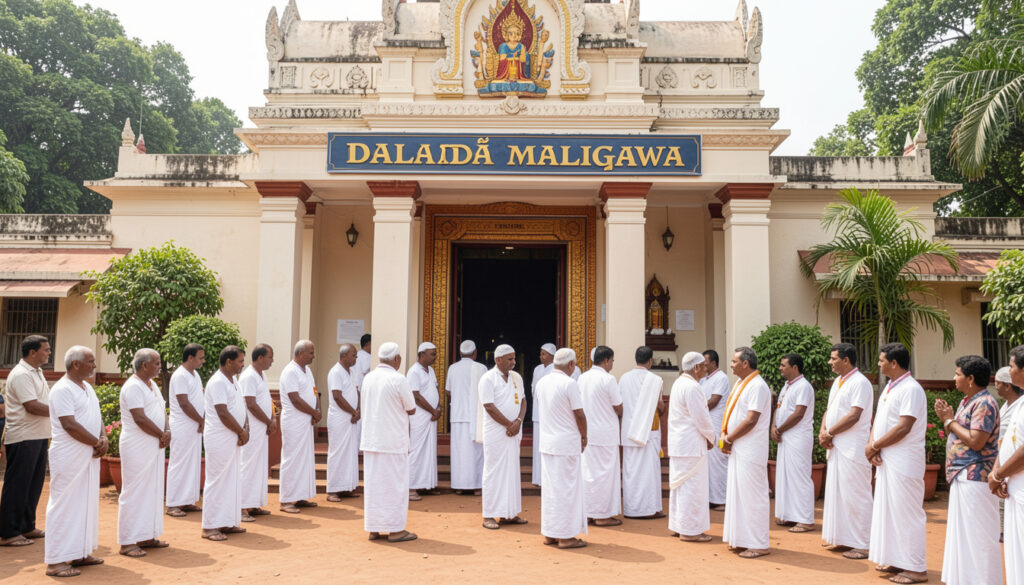
Before visiting Dalada Maligawa, it is helpful to understand the entrance procedures, appropriate dress code, and important visitor guidelines. Since the temple is one of the holiest Buddhist sites in Sri Lanka, visitors are expected to respect local customs and religious traditions. Following these simple guidelines will help ensure a smooth and meaningful experience while exploring this sacred landmark.
It is also a good idea to carry some cash for entrance tickets, donations, and small purchases from nearby shops, although some facilities may accept card payments.
Entrance Fees and Opening Hours
International visitors are generally required to purchase an entrance ticket, while local worshippers may have different access arrangements. Ticket prices can change, so it’s advisable to confirm the latest rates before your visit.
| Visitor Information | Details |
| Opening Hours | Approximately 5:30 AM – 8:00 PM |
| Recommended Visit Time | Morning or Evening Ceremony |
| Average Visit Duration | 2–3 Hours |
| Photography | Allowed in many areas, restrictions apply inside sacred sections |
Dress Code and Temple Etiquette
Visitors to Dalada Maligawa should wear modest clothing that covers the shoulders and knees. Shoes and hats must be removed before entering the temple buildings, and respectful behavior is expected at all times. Speaking quietly, avoiding disruptive actions, and following staff instructions help preserve the peaceful atmosphere of this sacred place.
Helpful Tips for Visitors
To make the most of your visit:
- Arrive early to avoid long queues.
- Carry socks if the stone pathways become hot during sunny afternoons.
- Bring a camera, but always respect photography restrictions.
- Keep your belongings secure during busy festival periods.
- Combine your visit with nearby attractions such as Kandy Lake and the Royal Palace Museum for a full day of sightseeing.
Nearby Attractions Around Dalada Maligawa
A visit to Dalada Maligawa becomes even more rewarding when you explore the many attractions located nearby. Kandy is one of Sri Lanka’s most charming cities, offering a perfect blend of history, culture, nature, and local life. Most of these attractions are within walking distance or a short drive from the temple, making it easy to plan a full day of sightseeing.
Whether you’re interested in museums, botanical gardens, scenic viewpoints, or local shopping, the area surrounding Dalada Maligawa has something for every traveler.
Kandy Lake and the Royal Palace
Located directly beside Dalada Maligawa, Kandy Lake is one of the city’s most peaceful landmarks. Visitors can enjoy a relaxing walk around the lake while taking in beautiful views of the temple and surrounding hills. Nearby, the Royal Palace Complex offers museums and historical exhibits that provide deeper insight into the Kandyan Kingdom and Sri Lanka’s royal heritage.
Royal Botanical Gardens, Peradeniya
Just a short drive from the temple, the Royal Botanical Gardens in Peradeniya is one of Asia’s finest botanical gardens. Covering more than 140 acres, it features thousands of plant species, giant bamboo groves, orchid collections, palm avenues, and beautifully landscaped gardens. It is an excellent destination for nature lovers and photographers.
Local Markets and Cultural Experiences
Kandy’s vibrant markets offer visitors the chance to shop for handmade crafts, gemstones, spices, tea, wood carvings, and traditional souvenirs. In the evening, many cultural centers host Kandyan dance performances featuring drumming, fire dancing, and colorful costumes, providing an authentic introduction to Sri Lanka’s artistic traditions.
| Nearby Attraction | Distance from Dalada Maligawa | Recommended Visit Time |
| Kandy Lake | 2–5 minutes walk | 30–60 minutes |
| Royal Palace Museum | Adjacent to the temple | 1 hour |
| National Museum of Kandy | 5 minutes walk | 45–60 minutes |
| Royal Botanical Gardens | 6 km | 2–3 hours |
| Bahirawakanda Buddha Statue | 3 km | 1–2 hours |
How to Reach Dalada Maligawa
Reaching Dalada Maligawa is convenient thanks to Sri Lanka’s well-connected transportation network. Located in the center of Kandy, the temple is accessible by train, bus, taxi, or private vehicle from major cities such as Colombo, Negombo, and Ella. Many organized tours also include transportation, making the journey hassle-free for international visitors.
Choosing the best travel option depends on your budget, schedule, and preferred level of comfort. The scenic routes to Kandy are part of the experience, especially for those traveling through the island’s beautiful hill country.
Traveling by Train
The train journey from Colombo to Kandy is considered one of Sri Lanka’s most scenic rail routes. Travelers can enjoy lush forests, rolling hills, tea plantations, and picturesque countryside along the way. Kandy Railway Station is about a 10–15 minute walk or a short tuk-tuk ride from Dalada Maligawa, making train travel an excellent option for visitors.
Traveling by Bus or Private Vehicle
Frequent buses operate between Colombo and Kandy, offering an affordable way to reach the city. Private taxis and rental cars provide greater flexibility and comfort, especially for families or groups. Many Dalada Maligawa tour packages also include hotel pickup and drop-off, allowing travelers to enjoy a stress-free journey.
Transportation Comparison
| Transportation | Travel Time | Estimated Cost (USD) | Best For |
| Train | 2.5–3.5 hours | $3–$15 | Scenic travel |
| Public Bus | 3–4 hours | $2–$8 | Budget travelers |
| Private Taxi | 3–4 hours | $60–$100 | Families & groups |
| Rental Car | 3–4 hours | Varies | Flexible itineraries |
| Guided Tour | Full day | Package dependent | First-time visitors |
Travel Tips for Visiting Dalada Maligawa
A visit to Dalada Maligawa is both a cultural and spiritual experience, so a little preparation can make your trip more enjoyable. Respecting local traditions, planning your visit around worship ceremonies, and following temple guidelines will help you fully appreciate one of Sri Lanka’s most important religious landmarks. Whether you’re traveling independently or as part of a guided tour, these practical tips can help you avoid common mistakes and make the most of your visit.
By arriving prepared, you’ll have more time to admire the temple’s architecture, learn about its fascinating history, and experience the peaceful atmosphere that attracts millions of visitors every year.
Respect Local Customs
Since Dalada Maligawa is an active place of worship, visitors should dress modestly by covering their shoulders and knees. Shoes and hats must be removed before entering the temple buildings, and respectful behavior is expected at all times. Speaking quietly, avoiding inappropriate poses for photographs, and following staff instructions show respect for local traditions.
Plan Your Visit Wisely
For the best experience, visit early in the morning or during the evening worship ceremonies when the temple is most vibrant. Weekdays are generally less crowded than weekends and public holidays. If you plan to attend the Esala Perahera festival, reserve accommodations well in advance due to the large number of visitors.
Visitor Checklist
Before heading to Dalada Maligawa, use this checklist to ensure a smooth visit:
- ✔ Wear modest clothing suitable for a religious site.
- ✔ Carry socks for walking on hot stone pathways.
- ✔ Bring a reusable water bottle to stay hydrated.
- ✔ Keep your camera ready but respect photography restrictions.
- ✔ Carry some local currency for entrance tickets, donations, and souvenirs.
- ✔ Arrive at least 30 minutes before worship ceremonies.
- ✔ Combine your visit with Kandy Lake and nearby museums for a complete sightseeing experience.
FAQs
What is Dalada Maligawa famous for?
Dalada Maligawa, also known as the Temple of the Sacred Tooth Relic, is famous for housing the revered Tooth Relic of Lord Buddha. Located in Kandy, Sri Lanka, it is one of the most important Buddhist pilgrimage sites in the world and a UNESCO World Heritage landmark that attracts millions of visitors every year.
Where is Dalada Maligawa located?
Dalada Maligawa is located in the heart of Kandy, Sri Lanka, beside Kandy Lake and the historic Royal Palace Complex. Its central location makes it easy to visit along with other popular attractions, museums, markets, and cultural sites within the city.
What is the best time to visit Dalada Maligawa?
The best time to visit is between December and April when the weather is generally pleasant. Travelers who want to experience Sri Lanka’s most spectacular cultural celebration should consider visiting during the Esala Perahera festival, usually held in July or August.
How much is the entrance fee for Dalada Maligawa?
Entrance fees for international visitors may vary over time. It is recommended to check the latest ticket prices before your visit. Some guided tours include admission in their package, making the visit more convenient for travelers.
Is there a dress code for Dalada Maligawa?
Yes. Visitors should wear modest clothing that covers the shoulders and knees. Shoes and hats must be removed before entering the temple buildings, and respectful behavior is expected throughout the visit because it is an active place of worship.
How long does it take to explore Dalada Maligawa?
Most visitors spend 2 to 3 hours exploring Dalada Maligawa, including the temple complex, museums, and nearby attractions such as Kandy Lake. Those attending a worship ceremony or taking a guided tour may wish to allow additional time.
Can tourists see the Sacred Tooth Relic?
No. The Sacred Tooth Relic is kept inside a series of beautifully decorated golden caskets and is not displayed directly to the public. However, visitors can observe the sacred shrine and participate in the daily worship ceremonies.
How do I get to Dalada Maligawa from Colombo?
Travelers can reach Dalada Maligawa by train, public bus, private taxi, rental car, or guided tour. The scenic train journey from Colombo to Kandy is especially popular because of its breathtaking mountain and countryside views.
Are guided tours of Dalada Maligawa worth booking?
Yes. Guided tours provide historical background, cultural insights, and assistance with transportation and scheduling. They are especially beneficial for first-time visitors who want a deeper understanding of the temple’s religious and historical significance.
What attractions can I visit near Dalada Maligawa?
Nearby attractions include Kandy Lake, the Royal Palace Museum, the National Museum of Kandy, the Royal Botanical Gardens in Peradeniya, Bahirawakanda Buddha Statue, local handicraft markets, and traditional Kandyan cultural dance performances.
Conclusion
Dalada Maligawa is one of Sri Lanka’s most treasured cultural and spiritual landmarks, offering visitors an unforgettable journey through history, religion, and architecture. From the Sacred Tooth Relic and daily worship ceremonies to its magnificent temple complex and nearby attractions, every visit provides a meaningful cultural experience. Whether you’re a history enthusiast, a spiritual traveler, or simply exploring Kandy, Dalada Maligawa deserves a place on your itinerary. Plan your visit today and discover the timeless beauty and heritage of this remarkable destination.
Read More:Colonial Forts of Sri Lanka (2026): 10 Historic Fortresses Every Traveler Must Explore
