


Ram Raksha Stotram is a traditional Sanskrit hymn dedicated to Lord Rama. Devotees recite this powerful prayer as an expression of faith, devotion, courage, and spiritual protection. The word Raksha means protection, while Stotram refers to a devotional hymn or prayer.
For many Hindu families, reciting Ram Raksha Stotram is part of a daily or occasional spiritual routine. The prayer reminds devotees of Lord Rama’s qualities, including righteousness, courage, discipline, compassion, and devotion to dharma.
In this complete Ram Raksha Stotram Hindu Prayer Guide, you will learn what the stotram means, its traditional significance, possible spiritual benefits, how to recite it, the best times to read it, common mistakes, and practical tips for families living in the USA.
What Is Ram Raksha Stotram?
Ram Raksha Stotram is a Sanskrit devotional hymn associated with Lord Rama. Traditionally, it is attributed to Budha Kaushika Rishi. The stotram is widely respected in Hindu devotional practice and is traditionally recited with faith and concentration.
The prayer focuses on Lord Rama and invokes divine protection through remembrance of different aspects of Shri Rama.
The central idea of Ram Raksha Stotram is not simply physical protection. It also represents spiritual strength, courage, peace of mind, devotion, and trust in divine guidance.
What Does “Ram Raksha Stotram” Mean?
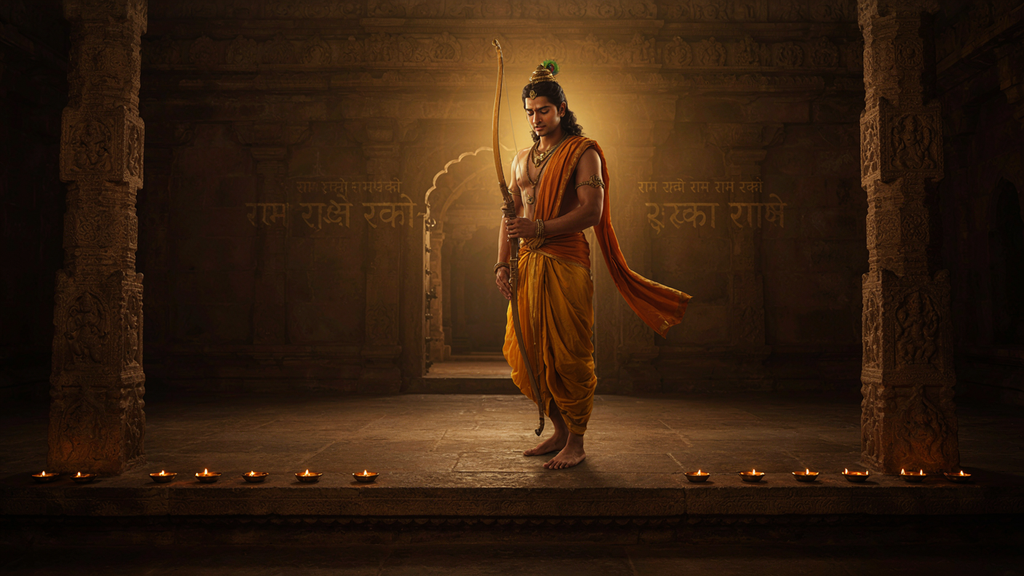
The name can be understood in three parts:
| Word | Meaning |
| Ram / Rama | Lord Rama |
| Raksha | Protection |
| Stotram | Devotional hymn or prayer |
Therefore, Ram Raksha Stotram can broadly be understood as a devotional prayer seeking the protection and grace of Lord Rama.
Ram Raksha Stotram Meaning and Spiritual Significance
The stotram describes Lord Rama through devotional verses and traditional imagery. It encourages the devotee to remember Rama’s virtues and surrender worries with faith.
One important theme is the idea of placing different parts of the body under divine protection. This reflects a traditional Hindu prayer practice in which devotees mentally remember God while seeking strength and safety.
The deeper spiritual message includes:
- Faith in Lord Rama
- Protection from fear
- Courage during difficult situations
- Commitment to righteousness
- Self-discipline
- Mental calmness
- Devotion and surrender
- Positive spiritual thinking
It is important to understand that these are religious and traditional beliefs, not scientifically proven guarantees of protection or specific life outcomes.
11 Traditional Benefits of Ram Raksha Stotram

Devotees associate Ram Raksha Stotram benefits with spiritual strength, peace, devotion, and positive mental habits. Individual experiences naturally vary.
Spiritual Protection
The primary purpose associated with the prayer is spiritual protection. Devotees may feel comfort and reassurance when remembering Lord Rama during challenging periods.
Peace of Mind
Regular prayer can create a quiet period in the day. Concentrating on devotional verses may help some people develop a calmer and more focused routine.
Courage and Inner Strength
Lord Rama is traditionally regarded as an example of courage, duty, patience, and righteousness. Remembering these qualities can inspire devotees to face difficulties with greater confidence.
Stronger Devotion
Regular recitation can deepen a person’s connection with Lord Rama and encourage a consistent spiritual practice.
Better Concentration
Reciting Sanskrit verses requires attention to pronunciation, rhythm, and sequence. This focused activity may become a useful part of a person’s mindfulness or prayer routine.
Positive Spiritual Routine
A daily prayer routine can provide structure and a meaningful start or end to the day.
Family Bonding
Families can recite Ram Raksha Stotram together as part of their devotional routine. Parents can also explain the meaning and values behind the prayer to children.
Strength During Difficult Times
Many devotees turn toward prayer during stressful or uncertain periods. Ram Raksha Stotram can serve as a traditional source of hope and emotional comfort.
Connection With Hindu Tradition
Learning and reciting Sanskrit devotional prayers helps families maintain cultural and religious traditions across generations.
Encouragement Toward Dharma
Lord Rama is traditionally associated with dharma, responsibility, truthfulness, and ethical conduct. Reflecting on these values can make the prayer more meaningful.
Spiritual Growth
Consistent devotional practice can encourage self-reflection, gratitude, discipline, and a deeper sense of faith.
When Is the Best Time to Recite Ram Raksha Stotram?
There is no single time that every devotee must follow. The best time is often the time when you can pray peacefully and without unnecessary distractions.
Early Morning
Many people prefer morning prayer after bathing and completing basic personal preparation. A quiet morning can make it easier to concentrate.
After Bath
Some devotees prefer reciting the stotram after taking a bath and wearing clean clothes.
Evening
If your schedule does not allow morning prayer, evening can be a practical alternative.
Before Sleep
Some devotees prefer devotional recitation before bedtime as part of a peaceful nighttime routine.
During Difficult Periods
People may also turn to prayer when experiencing fear, uncertainty, stress, or major life changes.
During Religious Occasions
Ram Raksha Stotram may be included in personal or family devotional practices during Hindu festivals and special occasions.
Whenever You Can Pray With Concentration
Consistency and sincere devotion are generally more useful than choosing a theoretically perfect time but being unable to maintain the practice.
How to Recite Ram Raksha Stotram

If you are a beginner, keep your practice simple.
Choose a Clean and Quiet Place
Select a peaceful area in your home. A small prayer space or home shrine can be suitable.
Clean Yourself
Many traditional practices recommend bathing or washing before prayer. Wear clean clothes if possible.
Prepare Your Prayer Space
You may keep an image or murti of Lord Rama along with a diya, flowers, or other traditional devotional items.
These items are optional and can vary according to family tradition.
Sit Comfortably
Sit in a comfortable position that allows you to remain focused throughout the prayer.
Begin With Prayer
Take a moment to calm your mind and remember Lord Rama.
Recite the Stotram
Read Ram Raksha Stotram slowly and respectfully. Beginners can use a reliable Sanskrit text with transliteration and meaning.
Understand the Meaning
Do not focus only on speed. Understanding the devotional message can make the recitation more meaningful.
End With Prayer
After completing the stotram, sit quietly for a moment and offer your prayers.
Ram Raksha Stotram Recitation Rules
Different Hindu families and traditions may follow different practices. There is no need to make the routine unnecessarily difficult.
Here are practical guidelines:
- Keep the prayer area clean.
- Try to maintain regularity.
- Pronounce Sanskrit words carefully.
- Avoid rushing through the verses.
- Keep distractions such as phones away.
- Approach the prayer with respect.
- Learn the meaning gradually.
- Follow your family’s traditional practices where appropriate.
- If you are unsure about a specific ritual rule, consult a knowledgeable teacher or priest from your tradition.
Common Mistakes When Reciting Ram Raksha Stotram

Reciting Too Quickly
Speed can make pronunciation and concentration difficult.
Ignoring Pronunciation
Sanskrit pronunciation can be challenging for beginners. Listening to a reliable traditional recitation can help.
Treating Prayer as a Guarantee
Devotional practices should not be presented as guaranteed solutions to financial, health, legal, or personal problems.
Focusing Only on Benefits
The purpose of a stotram is devotional as well as spiritual. Understanding its values is more meaningful than simply counting expected benefits.
Giving Up After a Few Days
If you want a daily practice, begin with a realistic routine that you can maintain.
Being Distracted
Constant phone notifications, television, or conversations can interrupt concentration.
Can Beginners Recite Ram Raksha Stotram?
Yes. Beginners can learn the prayer gradually.
You do not need to memorize the entire stotram on the first day. Start by reading from a trustworthy text and slowly become familiar with the pronunciation.
A beginner-friendly routine can look like this:
Week 1: Read the text slowly.
Week 2: Practice pronunciation.
Week 3: Learn the meaning of important verses.
Week 4: Try to recite with greater confidence.
The goal should be understanding, devotion, and consistency, rather than speed.
Can Children Recite Ram Raksha Stotram?
Children can participate in family prayer according to their family’s religious traditions.
For children, parents can make the practice easier by:
- Explaining who Lord Rama is.
- Teaching a few verses at a time.
- Using simple translations.
- Practicing pronunciation together.
- Keeping prayer sessions age-appropriate.
- Explaining values such as courage, honesty, kindness, and responsibility.
Family participation can also turn the prayer into a meaningful cultural learning experience.
Ram Raksha Stotram for Families in the USA
Hindu families in the United States may adapt their prayer routine to their daily schedules.
Busy school, work, and family commitments can make traditional timings difficult. A short, consistent family prayer may be easier to maintain than an elaborate routine that becomes difficult to follow.
Practical USA Family Routine
Morning:
A parent or family member can recite the stotram before work or school.
Evening:
Families can gather after dinner for devotional practice.
Weekend:
Families may have more time to read the Sanskrit text, meaning, and background.
Temple Visit:
Families can also participate in prayers at a local Hindu temple when convenient.
The spiritual practice can remain meaningful even when the schedule differs from practices followed in India.
Ram Raksha Stotram vs. Other Hindu Prayers

Different Hindu prayers have different traditions and purposes. They should not necessarily be treated as competitors.
| Prayer | Traditional Association | Common Spiritual Focus |
| Ram Raksha Stotram | Lord Rama | Protection, devotion, courage |
| Hanuman Chalisa | Lord Hanuman | Devotion, courage, strength |
| Vishnu Sahasranama | Lord Vishnu | Devotion and remembrance of divine names |
| Aditya Hridayam | Surya | Devotion, courage, inner strength |
| Shiva Panchakshara Stotram | Lord Shiva | Devotion and spiritual reflection |
The choice of prayer can depend on personal faith, family tradition, and guidance from one’s spiritual teacher.
What Should You Keep During Ram Raksha Stotram?
You do not need many items to recite a stotram.
Optional devotional items include:
- Image or murti of Lord Rama
- Diya
- Flowers
- Incense
- Prayer book
- Mala
- Clean cloth
- Water
These are traditional options rather than universal requirements.
How Long Does Ram Raksha Stotram Take?
The time depends on reading speed, pronunciation, and whether you pause to understand the meaning.
A beginner may take longer than an experienced devotee. Instead of rushing to finish within a particular number of minutes, focus on accurate and respectful recitation.
Does Ram Raksha Stotram Have to Be Recited Every Day?
Daily recitation is a personal devotional choice. Some devotees recite it every day, while others recite it on selected days or during special circumstances.
If you want to build a habit, choose a time that fits your lifestyle and maintain it consistently.
Can Ram Raksha Stotram Be Read Without Knowing Sanskrit?
Yes, beginners can learn through:
- Sanskrit text
- Transliteration
- Word meanings
- English translation
- Audio recitation from reliable traditional sources
However, if pronunciation is important to your tradition, learning from a knowledgeable teacher or authentic source can be helpful.
Spiritual Meaning of Lord Rama in Ram Raksha Stotram
The devotional importance of Ram Raksha Stotram becomes clearer when we consider the qualities traditionally associated with Lord Rama.
Lord Rama is widely remembered as an example of:
- Dharma
- Truthfulness
- Courage
- Compassion
- Responsibility
- Self-control
- Respect for family
- Commitment to duty
Therefore, reciting the stotram can also be viewed as an opportunity to reflect on these qualities in everyday life.
For example, a devotee may ask:
Am I acting honestly?
Am I fulfilling my responsibilities?
Can I respond to difficulties with patience?
Can I treat others with compassion?
This type of reflection can make devotional practice more meaningful.
Simple Daily Ram Raksha Stotram Routine
Here is an easy routine for beginners:
Morning
- Wake up and complete personal hygiene.
- Find a quiet place.
- Light a diya if it is part of your tradition.
- Sit comfortably.
- Remember Lord Rama.
- Recite Ram Raksha Stotram.
- Spend a minute in silent prayer.
- Begin your day.
Evening
- Put away distractions.
- Sit with your family if possible.
- Recite the stotram.
- Discuss one value from Lord Rama’s life.
- End with a short prayer of gratitude.
Ram Raksha Stotram: Important Things to Remember
A devotional prayer should be approached with respect rather than fear.
You do not need to worry that a minor mistake automatically makes your prayer meaningless. Beginners naturally make pronunciation and memorization mistakes.
Instead:
- Practice patiently.
- Improve pronunciation over time.
- Learn the meaning.
- Maintain sincerity.
- Follow your family’s tradition.
- Ask a qualified teacher about specialized ritual requirements.
Most importantly, prayer should support a balanced life. It should complement responsible action rather than replace it.
FAQs
What is Ram Raksha Stotram?
Ram Raksha Stotram is a traditional Sanskrit devotional hymn dedicated to Lord Rama. The prayer is associated with seeking divine protection, strength, devotion, and spiritual peace.
What are the benefits of Ram Raksha Stotram?
Traditional devotees associate the prayer with spiritual protection, courage, peace of mind, devotion, concentration, and inner strength. These are religious beliefs and personal spiritual experiences rather than guaranteed outcomes.
When should I read Ram Raksha Stotram?
You can recite it in the morning, evening, before sleep, or at another time when you can pray peacefully. Your family tradition may recommend a particular time.
Can women recite Ram Raksha Stotram?
Practices can vary among Hindu traditions and families. Many devotional traditions allow women to participate in prayer. If your family follows a specific ritual tradition, follow its guidance or consult a knowledgeable priest.
Can children read Ram Raksha Stotram?
Children can participate in family devotional practice according to their family’s tradition. Parents can teach them gradually using age-appropriate explanations.
Can I recite Ram Raksha Stotram without knowing Sanskrit?
Yes. Beginners can learn with transliteration, translation, and reliable audio guidance. Gradually improving pronunciation can make the practice more meaningful.
How many times should Ram Raksha Stotram be recited?
There is no universal number that applies to everyone. Some devotees follow a personal or traditional routine. Follow the practice taught by your family or spiritual teacher.
Can I listen to Ram Raksha Stotram instead of reciting it?
Listening can be a useful way to learn pronunciation and become familiar with the verses. However, whether listening is considered equivalent to recitation depends on the tradition and personal practice.
Is Ram Raksha Stotram a protection mantra?
It is commonly described devotionally as a prayer for protection associated with Lord Rama. The term “protection” should be understood within its religious and spiritual context rather than as a guaranteed physical shield.
Can I read Ram Raksha Stotram in the USA?
Yes. Hindu families in the USA can maintain this devotional practice at home or participate in prayer at a local Hindu temple according to their traditions and schedules.
Ram Raksha Stotram: Complete Beginner Checklist
Before reciting:
☐ Find a quiet place
☐ Keep the prayer text ready
☐ Wash or bathe according to your tradition
☐ Wear clean clothes if customary
☐ Keep your phone away
☐ Sit comfortably
☐ Focus on Lord Rama
☐ Recite slowly
☐ Pay attention to pronunciation
☐ Learn the meaning
☐ End with gratitude
Final Thoughts
Ram Raksha Stotram remains an important devotional prayer for many followers of Lord Rama. Its traditional message centers on faith, protection, courage, righteousness, and spiritual strength.
For beginners, the best approach is simple: choose a peaceful time, learn the pronunciation gradually, understand the meaning, and practice with sincerity. Families can also use the prayer as an opportunity to teach children about Hindu traditions and the values associated with Lord Rama.
Whether you recite Ram Raksha Stotram every day or only on special occasions, the deeper purpose is to cultivate devotion, discipline, courage, and remembrance of dharma.
Jai Shri Ram!
Read More:Shri Ram Raksha Stotram Meaning and Benefits: 15 Powerful Insights, Simple Guide & Recitation Tips
