


Utpanna Ekadashi is an important Hindu fasting day dedicated to Lord Vishnu and Lord Krishna. Devotees observe this sacred occasion through fasting, prayers, mantra chanting, and devotional activities. It is associated with the origin of Ekadashi Devi and reminds people of the importance of faith, self-discipline, and spiritual growth. Many devotees look forward to this day to strengthen their connection with the divine and follow traditional Hindu practices.
The spiritual significance of Utpanna Ekadashi comes from Hindu scriptures and the traditional story of Ekadashi Devi. According to the vrat katha, Ekadashi Devi appeared during a divine event involving Lord Vishnu and the demon Mura. Devotees remember this story to understand the importance of devotion, righteousness, and overcoming negative influences. Reading or listening to the vrat katha is a meaningful part of the observance for many Hindu families.
During Utpanna Ekadashi, devotees follow different fasting practices according to their health, family traditions, and spiritual beliefs. Some observe a complete fast, while others eat fruits, milk, nuts, and permitted fasting foods. Many devotees avoid grains and beans and spend time chanting the Hare Krishna maha-mantra, reading sacred texts, and offering prayers. ISKCON followers may also participate in temple worship and devotional activities according to their local observance schedule.
Knowing the correct date and fasting timings for Utpanna Ekadashi is essential for observing the day according to tradition. The date may vary by location because Hindu lunar calendar calculations and local time differences can affect religious observances. Devotees should check a reliable Panchang or the ISKCON calendar for their city to confirm the Ekadashi date and the appropriate Parana time. Parana is the traditional practice of breaking the fast on Dwadashi, the following lunar day.
This complete guide to Utpanna Ekadashi will help you understand its significance, traditional vrat katha, fasting rules, puja practices, and Parana timings. You will also learn how ISKCON devotees observe this sacred day and how beginners can participate in simple devotional activities at home. Whether you plan to fast, chant mantras, read scriptures, or visit a temple, understanding these traditions can make your observance more meaningful. Always choose a fasting practice that suits your health and follow reliable local timings for the day.
Quick Information About Utpanna Ekadashi 2026
| Information | Details |
| Festival | Utpanna Ekadashi |
| Main deity | Lord Vishnu; worship of Lord Krishna is central in ISKCON practice |
| 2026 date in the published India-based ISKCON calendar | Friday, December 4, 2026 |
| Hindu month | Margashirsha |
| Lunar phase | Krishna Paksha, the waning moon |
| Main observance | Fasting, prayer, chanting, and devotional service |
| Fast-breaking day | Dwadashi, the following lunar day, according to the applicable calendar |
| Main devotional resource | ISKCON Desire Tree (IDT) |
| Suitable for | Devotees, families, spiritual seekers, and first-time observers |
| Location | Observed by devotees worldwide; local dates and timings vary |
Important: The date above is based on a published India-based ISKCON calendar. Always check the local ISKCON or Vaishnava calendar for your city before deciding when to fast or break the fast.
What Is Utpanna Ekadashi?
Utpanna Ekadashi is a sacred fasting day associated with the appearance of Ekadashi Devi, the divine personification of Ekadashi. The observance falls on the eleventh lunar day of the dark fortnight of Margashirsha, although its Gregorian date varies from year to year.
In the Vaishnava tradition, Ekadashi is dedicated to remembering Lord Vishnu and cultivating devotion. Followers often observe the day by avoiding grains and beans, chanting holy names, reading sacred texts, and reducing ordinary distractions.
Utpanna Ekadashi is especially meaningful for people beginning a regular Ekadashi practice because traditional accounts connect this observance with the origin and importance of Ekadashi fasting. The ISKCON Desire Tree article presents this subject through a traditional devotional narrative.
Image Caption: A peaceful devotional setting with Lord Krishna, flowers, Tulasi leaves, and a lamp prepared for Ekadashi worship.
Utpanna Ekadashi 2026 Date and Important Timings

According to the published ISKCON calendar for India, Utpanna Ekadashi falls on December 4, 2026. However, the actual fasting date and Parana window depend on the local Vaishnava calendar, sunrise, and the observance rules used by a particular temple.
One reason for checking a location-specific calendar is that the eleventh lunar day, or Ekadashi tithi, does not begin and end at midnight. Its timing can cross civil dates, and different calendar systems may apply additional rules when determining the fasting day.
| Calendar detail | Published India-based listing |
| Ekadashi date | Friday, December 4, 2026 |
| Tithi begins | November 3, 2026, at 11:05 PM IST |
| Tithi ends | December 4, 2026, at 11:47 PM IST |
| Parana | After sunrise on December 5, 2026; confirm the precise window locally |
The published calendar’s tithi information should be checked carefully against the specific location and calendar before use. In particular, do not treat the date or Parana information from an India-based listing as universally valid.
For the most reliable local guidance, consult the official and your local ISKCON temple’s calendar.
The Story of Ekadashi Devi
The traditional story associated with Utpanna Ekadashi explains how Ekadashi Devi appeared through divine intervention. In the account presented by ISKCON Desire Tree, Lord Vishnu encounters a powerful adversary named Mura. During the course of the story, a divine female energy emerges and defeats the threat. Pleased by her devotion and power, Lord Vishnu grants her a boon, and she becomes associated with the sacred Ekadashi observance.
The story is traditionally understood as a reminder of the victory of divine strength over negative forces. For devotees, it also represents the importance of controlling the senses, developing spiritual discipline, and turning the mind toward God.
The narrative is not simply about the origin of a fasting day. It provides a devotional framework for understanding why Ekadashi is treated as an opportunity for prayer and self-reflection.
What does the story teach devotees?
- Self-control: Reduce unnecessary indulgence and practice restraint.
- Devotion: Give more time to remembering Lord Vishnu or Krishna.
- Spiritual courage: Face personal weaknesses with patience and determination.
- Compassion: Treat family members, other devotees, and all living beings with kindness.
- Consistency: Develop a regular spiritual routine instead of relying on occasional observances.
These lessons can be applied whether you observe Ekadashi at home, in a temple, or while travelling.
Image Caption: A traditional devotional illustration representing Ekadashi Devi and the victory of divine power over darkness.
Why Is Utpanna Ekadashi Important in ISKCON?
In the International Society for Krishna Consciousness (ISKCON), Ekadashi is an opportunity to deepen one’s relationship with Krishna through devotional service, commonly known as bhakti. Fasting is one part of the observance, but spiritual activities and remembrance of the Lord are equally important.
ISKCON Desire Tree provides educational and devotional material about Ekadashi, including traditional stories, scriptural teachings, and fasting guidance. Its Utpanna Ekadasi page is particularly relevant to readers who want to understand the festival’s traditional background.
Common devotional practices include:
- Chanting the Hare Krishna maha-mantra.
- Reading the Bhagavad-gita or Srimad-Bhagavatam.
- Listening to devotional talks or bhajans.
- Offering vegetarian food prepared according to Ekadashi rules.
- Attending temple programs, if available.
- Performing acts of charity and service.
- Spending time in quiet reflection and prayer.
The emphasis is on sincere devotion rather than completing a long checklist. A beginner can start with a manageable routine and gradually develop a more consistent practice.
Utpanna Ekadashi Fasting Rules and Preparation
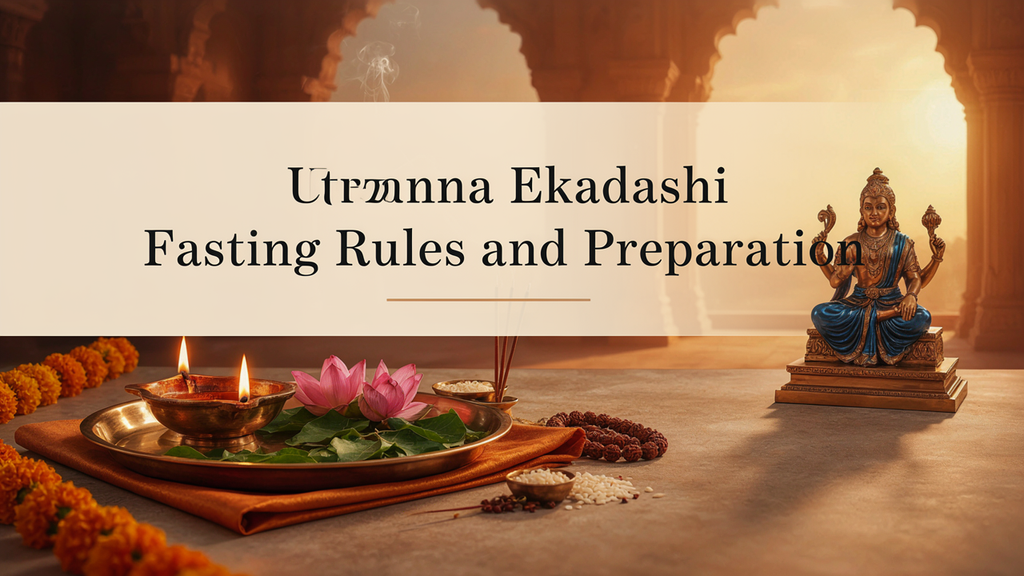
Fasting customs differ between families, Vaishnava communities, and individual devotees. Some people abstain from food completely, while others follow a fruit-and-water fast or eat permitted foods without grains and beans.
In ISKCON practice, devotees generally avoid grains and beans on Ekadashi. However, anyone following a particular temple’s or spiritual teacher’s instructions should use those guidelines to determine which ingredients are permitted.
Common fasting practices
| Fasting style | General approach | Important consideration |
| Complete fast | No food; some people also avoid water | Not suitable for everyone |
| Water fast | Water is consumed, but food is avoided | Consider individual health needs |
| Fruit-based fast | Fruit and other permitted items may be eaten | Check the relevant fasting rules |
| Ekadashi meal | Simple food prepared without grains and beans | Check ingredients carefully |
| Modified observance | A suitable, less restrictive practice | Useful for people who cannot fast strictly |
These are general descriptions, not a universal rulebook. Fasting practices should be adapted to age, health, medication needs, pregnancy, and other individual circumstances. Do not discontinue prescribed medication or undertake a strict fast if doing so could harm your health.
How to prepare the day before
- Check the fasting date and local Parana window.
- Plan meals that follow your chosen tradition’s rules.
- Buy permitted ingredients in advance.
- Prepare a clean place for prayer and reading.
- Decide how much time you can devote to chanting or devotional study.
- Arrange work and travel commitments so the observance remains practical.
Preparation makes it easier to concentrate on the spiritual purpose of the day rather than worrying about meals or schedules.
Image Caption: Simple Ekadashi meal ingredients arranged beside a prayer book and a devotional lamp.
Utpanna Ekadashi Puja Vidhi at Home
A home observance does not require an elaborate arrangement. A clean prayer space, sincere intention, and time for remembrance can provide a meaningful setting for the day.
The following is a simple outline. If you follow a particular ISKCON temple’s instructions, use those in preference to a generic routine.
Step-by-step puja guide
Clean the prayer area. Arrange your altar or prayer space neatly. If you worship a picture or deity of Krishna or Vishnu, prepare the area respectfully.
Bathe and make a personal resolution. Begin the day with personal cleanliness and a sincere intention to observe Ekadashi according to your ability.
Offer prayers. Offer flowers, water, or other appropriate items according to your established worship practice. Avoid assuming every household follows the same ritual sequence.
Chant the holy names. Chant the Hare Krishna maha-mantra or follow your usual devotional practice.
Read scripture. Spend time reading or listening to teachings about Krishna, Vishnu, Ekadashi, or devotional service.
Follow your fasting rules. Eat only what your chosen observance permits, or continue a stricter fast if it is appropriate for your health.
End the day peacefully. Make time for reflection, devotional reading, or temple participation where available.
Puja samagri checklist
- Clean cloth for the prayer space
- Picture or deity used in your regular worship
- Flowers, if available
- A lamp and suitable lighting materials
- Clean water
- Tulasi leaves, if available and appropriate for your worship
- A devotional book or prayer text
- Permitted food ingredients for offerings
You do not need to purchase every item. Follow your tradition’s practices and use what is reasonably available.
How to Break the Utpanna Ekadashi Fast: Parana
Parana is the ritual breaking of the Ekadashi fast, generally observed on Dwadashi, the following lunar day. For Vaishnava devotees, the time matters because Parana is intended to take place within the prescribed window for their location and calendar.
The published India-based calendar lists Utpanna Ekadashi on December 4, 2026, with Parana after sunrise on December 5. This is a date reference, not a universal clock time.
Practical Parana guidance
- Confirm the exact Parana window for your city.
- Check whether your local ISKCON temple publishes specific fasting instructions.
- Break the fast within the applicable window when possible.
- Begin with a suitable amount of permitted food and drink.
- Avoid overeating immediately after a prolonged fast.
- Follow any additional instructions from your spiritual teacher or temple tradition.
If you are observing a strict fast, have a medical condition, or take medication with food, plan your observance with appropriate medical advice. Health and safety should not be compromised to meet a fasting schedule.
Image Caption: A simple morning arrangement prepared for breaking the Ekadashi fast on Dwadashi.
How to Use ISKCON Desire Tree for Utpanna Ekadashi

ISKCON Desire Tree, commonly abbreviated as IDT, is an online devotional resource for people interested in Krishna consciousness. Its website includes festival-related articles and a calendar of Vaishnava observances.
You can begin with its dedicated, which presents the traditional narrative and teachings associated with the observance.
What to look for on IDT
- The festival article: Read the account of Ekadashi’s appearance and its significance.
- The Vaishnava calendar: Review nearby observances and dates.
- Devotional learning: Explore relevant spiritual reading and listening resources available on the site.
- Further study: Use the article as a starting point for reading about fasting and devotional service.
Online articles are helpful for learning, but the date and fasting instructions for a particular city should still be verified against the appropriate local calendar.
Visiting an ISKCON Temple on Utpanna Ekadashi
A temple visit can add a communal dimension to the observance. Devotees may attend prayer, chanting, scripture discussions, or other devotional activities if a local temple schedules them for the day.
However, not every ISKCON temple follows an identical public program, and a special event should not be assumed to take place everywhere.
What to check before visiting
- Find the official website or verified social account of your local ISKCON temple.
- Check its current festival calendar and public visiting hours.
- Ask whether an Utpanna Ekadashi program is scheduled.
- Confirm whether meals, prasadam, or other facilities are available.
- Review any visitor guidance about clothing, photography, and participation.
What to expect from a devotional visit
Depending on the temple, visitors may have an opportunity to participate in kirtan, listen to spiritual talks, offer prayers, or spend quiet time in the temple environment. Visitors should respect local worship practices and follow instructions from temple staff.
If no temple is nearby, you can still observe the day at home using the IDT article, scripture reading, and personal prayer.
Image Caption: Devotees gathered for kirtan inside a Krishna temple during a sacred observance.
A Simple One-Day Utpanna Ekadashi Itinerary
Unlike a conventional sightseeing destination, Utpanna Ekadashi is a religious observance rather than a place to visit. A daily schedule can nevertheless help devotees balance prayer, family responsibilities, meals, and rest.
Here is a flexible routine you can adapt to your local sunrise, fasting rules, and temple schedule.
| Time of day | Suggested activity |
| Early morning | Wake up, bathe, and prepare the prayer area |
| Morning | Offer prayers and chant the holy names |
| Late morning | Read devotional literature or listen to a spiritual talk |
| Afternoon | Rest as needed, continue prayer, or perform quiet service |
| Late afternoon | Spend time in scripture reading or personal reflection |
| Evening | Attend a temple program if available, or chant at home |
| Night | Conclude with prayer and rest |
| Following Dwadashi | Break the fast within the locally prescribed Parana window |
These are suggested activities, not fixed religious timings. Adapt the schedule to your health, responsibilities, and the instructions of your chosen tradition.
A shorter routine for busy people
If you have work, school, or family commitments, consider a simpler plan:
- Set aside 10–15 minutes for morning prayer.
- Read a short passage from a devotional text.
- Follow your chosen fasting rules safely.
- Listen to kirtan during a suitable break.
- Spend a few quiet minutes in reflection before sleeping.
A manageable routine is often more practical than attempting activities you cannot sustain.
What to Eat on Utpanna Ekadashi

Food is an important practical part of Ekadashi because the permitted ingredients depend on the fasting tradition. ISKCON followers generally avoid grains and beans on Ekadashi, but specific ingredient rules should be checked before preparing meals.
Common food choices
| Food category | Examples to consider | What to check |
| Fresh fruit | Apples, bananas, oranges | Wash fruit properly |
| Vegetables | Ingredients permitted by your tradition | Check individual vegetable rules |
| Dairy | Milk or yogurt, where suitable | Check dietary needs and ingredient lists |
| Nuts | Almonds or other suitable nuts | Check allergies and preparation |
| Fasting flour | A permitted alternative flour | Confirm it is not mixed with grain flour |
| Drinks | Water or other permitted beverages | Follow your chosen fasting practice |
Do not assume that every product labelled fasting food is acceptable in every Vaishnava tradition. Packaged products, spice blends, and prepared foods can contain ingredients that do not fit your rules.
Tips for preparing Ekadashi meals
- Read ingredient labels carefully.
- Prepare food in a clean kitchen.
- Keep meals simple to reduce preparation time.
- If cooking for a group, ask about allergies and dietary requirements.
- Avoid wasting food and share suitable meals when practical.
If you cannot follow a strict fast for health reasons, choose an appropriate alternative rather than putting your well-being at risk.
Image Caption: A simple vegetarian fasting meal prepared with permitted ingredients for Ekadashi.
Observing Utpanna Ekadashi With Family
Families can observe the day together without making the experience complicated or demanding. The emphasis can be on learning, kindness, prayer, and a shared understanding of the festival.
Family-friendly devotional activities
- Read the story of Ekadashi Devi in age-appropriate language.
- Play devotional music or sing bhajans together.
- Let children help arrange flowers or organize the prayer area.
- Discuss the values of self-control, compassion, and gratitude.
- Prepare suitable food together.
- Visit a local temple if it is convenient and welcoming to your family.
- Set aside time for helping someone in need.
Children, older adults, pregnant people, and anyone with health concerns should not be pressured into strict fasting. Participation can focus on prayer, learning, and acts of kindness instead.
Can beginners observe Utpanna Ekadashi?
Yes. A beginner can start by learning the purpose of the observance, following suitable dietary guidelines, and spending some time in devotional activities. There is no need to imitate the strictest form of fasting immediately.
If you wish to follow ISKCON practices more closely, consult an experienced devotee or your local temple for guidance.
Local Culture, Etiquette, and Spiritual Experiences
Ekadashi is observed by devotees in different countries and communities. The shared focus is devotional remembrance, but local customs, temple programs, food practices, and calendar conventions can differ.
For people visiting a temple, respectful behavior is more important than knowing every ritual in advance.
Useful etiquette for temple visitors
- Dress modestly and follow the temple’s clothing guidance.
- Remove footwear where instructed.
- Keep your phone silent during prayers and talks.
- Ask permission before photographing worshippers or sacred activities.
- Follow directions about offerings, queues, and access to worship areas.
- Be respectful if you are unfamiliar with a particular ritual.
- Avoid assuming that every visitor must participate in every activity.
A note about travel planning
Because the title refers to an online devotional resource rather than a geographical destination, there is no single airport, railway station, hotel district, sightseeing route, or local cuisine associated with Utpanna Ekadashi itself.
If you plan to travel for the observance, choose a specific ISKCON temple or religious destination first. Then check its location, transport connections, accommodation, visiting arrangements, and scheduled programs independently.
Safety, Health, and Practical Preparation
Fasting should be approached thoughtfully. People respond differently to changes in food and fluid intake, and a strict fast may not be suitable for everyone.
Important precautions
- Hydration: If your chosen fast permits water, drink appropriately. Do not ignore signs of dehydration.
- Medication: Do not skip or change prescribed medication to maintain a fast.
- Health conditions: Consult a qualified healthcare professional before fasting if you have diabetes, kidney disease, or another condition affected by food or fluid intake.
- Pregnancy and age: Pregnant or breastfeeding people, children, and frail older adults should not undertake strict fasting without appropriate professional advice.
- Physical activity: Avoid strenuous activity if fasting leaves you weak, dizzy, or unwell.
- Travel: Carry necessary medication and keep your schedule flexible.
- Temple visits: Check public access and event arrangements before travelling.
If you develop significant dizziness, confusion, faintness, or other concerning symptoms, stop the fast and seek appropriate medical help.
Documents and practical details for temple travel
If you are travelling to a temple in another city or country, carry:
- Identification and any required travel documents.
- Booking confirmations, where applicable.
- A charged phone and emergency contact details.
- Necessary medication.
- Water and suitable snacks if your observance permits them.
- The local temple’s address and current visitor information.
These preparations are general travel advice; they are not specific entry requirements for any one temple.
Packing Checklist for an Utpanna Ekadashi Temple Visit
A short temple visit requires little equipment, but a small checklist can help you prepare comfortably.
- Comfortable, modest clothing.
- Footwear that is easy to remove.
- A small bag for personal belongings.
- Phone, charger, and identification.
- Medication and other essential health supplies.
- A devotional book or prayer beads, if you use them.
- A shawl or light layer appropriate for the weather.
- A reusable water bottle, if useful and permitted.
- Any approved offering you have arranged with the temple.
- The confirmed local Ekadashi date and Parana information.
Check the weather and the temple’s visitor guidance before leaving. You generally do not need to bring every item associated with a traditional puja, especially when visiting a temple that has its own worship arrangements.
FAQs
What is Utpanna Ekadashi, and why is it celebrated?
Utpanna Ekadashi is a sacred Hindu fasting day dedicated to Lord Vishnu. It falls on the eleventh lunar day (Ekadashi) of the Krishna Paksha in the month of Margashirsha or its corresponding lunar period, depending on the calendar tradition.
When is Utpanna Ekadashi in 2026?
Utpanna Ekadashi in 2026 falls in late November or early December, depending on the local calendar and observance tradition. Check a reliable Panchang or ISKCON calendar for the exact date and fasting timings in your location.
What is the spiritual significance of Utpanna Ekadashi?
Utpanna Ekadashi is associated with devotion to Lord Vishnu and the spiritual benefits of fasting and prayer. Devotees observe this day to seek divine blessings, practice self-discipline, and strengthen their faith.
How is Utpanna Ekadashi connected to Lord Vishnu?
According to Hindu tradition, the origin of Ekadashi is linked to a divine event involving Lord Vishnu and the demon Mura. The observance celebrates Ekadashi Devi and emphasizes devotion, righteousness, and spiritual discipline.
What are the fasting rules for Utpanna Ekadashi?
Devotees may observe a complete fast, consume fruits and milk, or follow a simple Ekadashi diet without grains and beans. Fasting practices vary according to health, family traditions, and spiritual commitments.
Can devotees drink water during Utpanna Ekadashi fasting?
Yes, many devotees drink water while observing a regular Ekadashi fast. A strict Nirjala fast excludes water, but people should choose a fasting practice appropriate to their health and circumstances.
What foods should be avoided on Utpanna Ekadashi?
Many devotees avoid grains, rice, wheat, lentils, and beans during the fast. Permitted foods may include fruits, nuts, milk, and certain fasting-friendly ingredients, depending on personal tradition.
How do ISKCON devotees observe Utpanna Ekadashi?
ISKCON devotees generally observe Ekadashi through fasting, chanting the Hare Krishna maha-mantra, reading scriptures, and worshipping Lord Krishna. Specific fasting rules and observance schedules may vary by temple and local calendar.
What is the importance of the Utpanna Ekadashi vrat katha?
The Utpanna Ekadashi vrat katha explains the traditional origin and spiritual importance of Ekadashi. Devotees listen to or read the story to deepen their understanding of the observance and reinforce their devotion.
Which mantra can be chanted on Utpanna Ekadashi?
Devotees may chant the Hare Krishna maha-mantra or other prayers dedicated to Lord Vishnu. Regular chanting with sincere devotion is an important part of many Ekadashi observances.
What is the best time to perform puja on Utpanna Ekadashi?
Devotees can perform puja according to their daily worship routine and local Panchang timings. Follow a trusted calendar for Ekadashi observance details and any temple-specific schedule.
When should the Utpanna Ekadashi fast be broken?
The fast is generally broken on Dwadashi, the lunar day following Ekadashi, during the prescribed Parana period. Exact Parana timings depend on the location and the calendar tradition being followed.
What is Parana on Utpanna Ekadashi?
Parana is the ritual breaking of the Ekadashi fast on the following Dwadashi day. Devotees should check the appropriate local Parana window to observe the fast according to their tradition.
Can beginners observe Utpanna Ekadashi fasting?
Yes, beginners can start with a simple fast, prayer, or a suitable fasting diet. It is important to consider personal health and seek medical advice if fasting may be unsafe.
Can children and elderly people observe Utpanna Ekadashi?
Children and elderly people do not need to undertake strict fasting to participate spiritually. They can pray, chant, listen to devotional stories, or follow a suitable diet based on their needs.
What is the difference between Utpanna Ekadashi and Mokshada Ekadashi?
Utpanna Ekadashi is associated with the origin of Ekadashi and is observed during Krishna Paksha in the relevant lunar month. Mokshada Ekadashi occurs during Shukla Paksha of Margashirsha and is associated with spiritual liberation.
Can devotees eat rice after Utpanna Ekadashi?
Many Hindu traditions avoid rice and other grains during Ekadashi and resume their regular diet after breaking the fast on Dwadashi. Follow the specific guidance of your family or spiritual tradition.
What are the benefits of observing Utpanna Ekadashi?
Devotees believe that observing Utpanna Ekadashi with faith supports spiritual growth, self-discipline, and devotion to Lord Vishnu. Fasting and prayer are religious practices, and spiritual benefits are understood through faith and tradition.
Where can I find the Utpanna Ekadashi calendar for ISKCON?
You can consult the official ISKCON Desire Tree website or an ISKCON temple calendar for festival details and observance guidance. Confirm the date and timings for your city because local observances may differ.
How can I celebrate Utpanna Ekadashi at home?
You can worship Lord Vishnu or Krishna, chant the Hare Krishna maha-mantra, read devotional scriptures, and observe a suitable fast. Keep the day focused on prayer, kindness, and spiritual reflection.
Conclusion
Utpanna Ekadashi is an important occasion for devotees who wish to deepen their devotion to Lord Vishnu and follow traditional Ekadashi practices. Through fasting, prayer, mantra chanting, and scripture reading, devotees dedicate the day to spiritual growth and self-discipline. Understanding the vrat katha, fasting rules, and Parana timings can help you observe this sacred day meaningfully. Always check a reliable local Panchang for the correct date and observance schedule. Choose a fasting practice that respects your health and personal circumstances.
Celebrating Utpanna Ekadashi can be a meaningful way to strengthen your faith and bring more devotion into daily life. Whether you follow ISKCON traditions or your family’s customs, sincere prayer and a peaceful mindset are central to the observance. Learn the significance of the day, prepare suitable fasting foods, and make time for chanting and spiritual reading. Confirm local timings before beginning or ending your fast. May this sacred observance inspire devotion, compassion, and a deeper connection with Lord Krishna.
Read More: Ekadashi Vrat Katha 2026: Sacred Stories, Religious Significance and Complete Fasting Guide
