


Sri Lanka is far more than golden beaches, lush tea plantations, and wildlife safaris. Hidden along its scenic coastline and historic cities lies a fascinating collection of centuries-old strongholds that tell the story of European empires, ancient kingdoms, and thriving maritime trade. Exploring the Colonial Forts of Sri Lanka offers travelers a unique opportunity to step into the island’s rich past while enjoying breathtaking ocean views, charming colonial architecture, and vibrant local culture. Whether you’re a history enthusiast, a photographer, or an adventure seeker, these remarkable landmarks promise unforgettable experiences.
From UNESCO World Heritage Sites to lesser-known coastal defenses, the Colonial Forts of Sri Lanka showcase the influence of Portuguese, Dutch, and British colonial powers that shaped the island for centuries. Each fort has its own unique character, featuring impressive stone walls, historic churches, museums, lighthouses, and bustling streets filled with cafés and artisan shops. Many forts are easy to explore on foot, making them perfect additions to any Sri Lanka itinerary. With affordable entry fees, welcoming locals, and year-round sightseeing opportunities, these historic treasures deserve a place on every traveler’s bucket list. Whether you’re planning your first visit or returning to discover more of the island’s heritage, this guide will help you uncover the very best colonial forts and make the most of your journey.
The Most Famous Colonial Forts of Sri Lanka
The Colonial Forts of Sri Lanka are among the country’s most remarkable historical attractions, reflecting centuries of Portuguese, Dutch, and British influence. Built to protect important trading ports and military bases, these forts now stand as living museums where visitors can admire colonial architecture, scenic coastlines, and vibrant local culture. Many of these forts are well preserved, making them ideal destinations for history lovers and first-time travelers alike.
From the iconic Galle Fort to lesser-known coastal strongholds, every fort offers a unique story and unforgettable experience. Exploring these landmarks provides insight into Sri Lanka’s colonial past while allowing travelers to enjoy panoramic ocean views, local markets, museums, and charming cafés. If you’re planning a heritage-focused trip, these historic sites should be at the top of your itinerary.
Galle Fort Sri Lanka’s Most Famous Colonial Landmark
Among all the Colonial Forts of Sri Lanka, Galle Fort is undoubtedly the crown jewel. Originally built by the Portuguese in the 16th century and later expanded by the Dutch, it has become one of Asia’s finest examples of a fortified colonial city. Today, it is recognized as a UNESCO World Heritage Site and attracts visitors from around the world.
Walking through Galle Fort feels like stepping back in time. The narrow cobblestone streets are lined with beautifully preserved colonial buildings, boutique hotels, museums, art galleries, and cozy cafés. The massive stone ramparts overlook the Indian Ocean, creating spectacular sunset views that are perfect for photography. Visitors can easily spend an entire day exploring the fort’s historic churches, lighthouse, clock tower, and charming shopping streets. The blend of European architecture and Sri Lankan culture creates an atmosphere unlike anywhere else on the island.
Travel Tips
| Information | Details |
| Entry Fee | Free |
| Best Time to Visit | November to April |
| Time Needed | 3–5 hours |
| Best Activity | Walking tour & sunset photography |
| Nearby Attractions | Galle Lighthouse, Dutch Reformed Church, Maritime Museum |
Jaffna Fort A Northern Colonial Masterpiece
Located in northern Sri Lanka, Jaffna Fort is one of the largest and best-preserved Dutch forts in South Asia. Originally constructed by the Portuguese before being strengthened by the Dutch, this star-shaped fortress played a crucial role in protecting colonial trade routes. After years of restoration, it has once again become one of the country’s most impressive historical landmarks.
Visitors can stroll along the enormous defensive walls, explore the remains of colonial-era buildings, and enjoy panoramic views of the Jaffna Lagoon. The peaceful surroundings make it an excellent destination for travelers seeking history without large tourist crowds. Nearby temples, local seafood restaurants, and cultural attractions add even more value to a visit. Jaffna Fort also provides a fascinating glimpse into northern Sri Lanka’s unique heritage, making it an essential stop for anyone interested in the island’s colonial history.
Visitor Checklist
- ✔ Wear comfortable walking shoes.
- ✔ Carry water during warm afternoons.
- ✔ Visit nearby Hindu temples.
- ✔ Try authentic Jaffna cuisine.
- ✔ Explore the fort during early morning or late afternoon.
Colombo Fort Where History Meets Modern Sri Lanka
Although much of the original fortifications have disappeared, Colombo Fort remains one of the most historically significant Colonial Forts of Sri Lanka. Established by the Portuguese and later expanded by the Dutch and British, this district evolved into the island’s administrative and commercial center. Today, it blends colonial heritage with modern skyscrapers, luxury hotels, and government buildings.
Travelers can admire colonial-era architecture while exploring landmarks such as the Old Dutch Hospital, the Presidential Secretariat, and nearby historical churches. The district also offers excellent shopping, dining, and easy access to major transportation hubs. Although the original walls are mostly gone, the neighborhood still preserves the legacy of centuries of colonial rule. A guided walking tour provides valuable insights into Colombo’s transformation from a fortified trading port into Sri Lanka’s bustling capital. Visitors often combine this historic district with nearby attractions such as Pettah Market and Galle Face Green for a full day of sightseeing.
Quick Comparison
| Fort | Main Colonial Power | Best For |
| Galle Fort | Dutch | UNESCO heritage, walking tours |
| Jaffna Fort | Dutch | Military history, lagoon views |
| Colombo Fort | Portuguese, Dutch & British | Colonial architecture and city exploration |
History of Colonial Forts in Sri Lanka
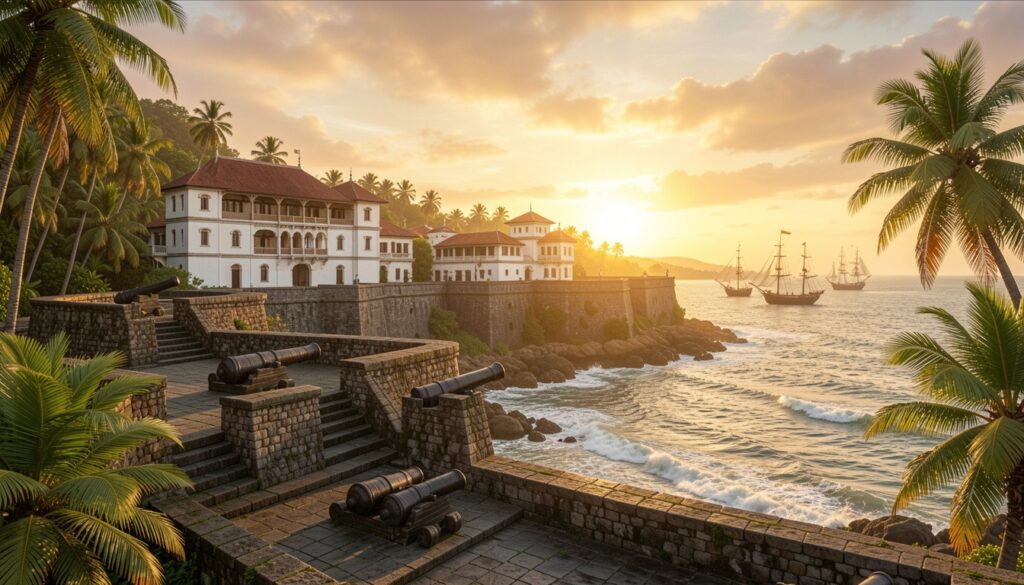
The Colonial Forts of Sri Lanka are more than impressive stone structures—they are symbols of the island’s strategic importance in the Indian Ocean. During the 16th to 19th centuries, European colonial powers competed to control Sri Lanka because of its valuable spice trade, excellent natural harbors, and key maritime location. The Portuguese, Dutch, and British each built or expanded forts that served as military bases, trading centers, and administrative headquarters.
Today, these forts have become some of Sri Lanka’s most visited historical attractions. Many have been carefully restored, allowing travelers to explore centuries-old architecture while learning about the island’s fascinating colonial past. Visiting these forts offers a deeper understanding of how different cultures shaped Sri Lanka’s history and heritage.
Portuguese Forts The Beginning of European Influence
The Portuguese were the first European power to establish fortified settlements in Sri Lanka after arriving in the early 1500s. Their primary objective was to protect the lucrative cinnamon trade and strengthen their control over important coastal regions. They constructed several forts using thick stone walls, watchtowers, and defensive gates to withstand attacks from rival kingdoms and foreign fleets.
Although many original Portuguese structures were later rebuilt or expanded by the Dutch, their influence remains visible in several historic sites. Galle Fort and Jaffna Fort both began as Portuguese strongholds before undergoing major transformations. Travelers visiting these locations can still identify architectural elements and historical records that trace back to the Portuguese era. Exploring these early fortifications provides valuable insight into the beginning of European colonial rule in Sri Lanka and the island’s role in global maritime trade.
Portuguese Legacy Highlights
| Feature | Details |
| Arrival in Sri Lanka | Early 16th Century |
| Main Goal | Protect spice trade |
| Major Forts | Galle, Jaffna, Colombo |
| Architectural Style | Thick walls, bastions, watchtowers |
| Lasting Influence | Coastal defense and colonial expansion |
Dutch Fortifications Engineering and Expansion
When the Dutch East India Company took control of much of Sri Lanka in the 17th century, they transformed many existing Portuguese forts into sophisticated military complexes. Dutch engineers introduced advanced European defensive designs, including star-shaped layouts, wider ramparts, stronger bastions, and improved drainage systems that increased both security and durability.
The Dutch also developed forts into thriving commercial centers. Warehouses, churches, administrative offices, and residential quarters were built within fortified walls, creating self-contained colonial towns. Galle Fort remains the finest example of Dutch engineering in Sri Lanka, where visitors can still walk along the original ramparts and admire beautifully preserved colonial buildings. Their remarkable construction techniques have helped many of these forts survive for centuries despite harsh coastal weather, making them some of the island’s most treasured heritage sites.
Travel Tip
If you’re interested in colonial architecture, spend time observing the fort walls, gateways, and drainage systems. Many of these engineering features remain functional even after hundreds of years.
British Rule and the Transformation of the Forts
The British gained control of Sri Lanka in the late 18th century and gradually shifted the role of many colonial forts from military defense to administrative governance. As naval warfare evolved, massive coastal fortifications became less important for protection. Instead, many forts housed government offices, courts, customs facilities, military barracks, and official residences.
During British rule, roads, railways, and modern infrastructure connected these historic forts with other parts of the island, encouraging trade and urban development. Some colonial buildings from this era still stand today, adding another architectural layer to Sri Lanka’s historic sites. Visitors exploring Colombo Fort or Galle Fort will notice British-era landmarks alongside Portuguese and Dutch structures, creating a fascinating blend of architectural styles that reflects over 400 years of colonial history.
Colonial Powers Comparison
| Colonial Power | Period | Major Contributions | Best Place to Experience |
| Portuguese | 1505–1658 | First coastal forts and trading posts | Galle, Jaffna |
| Dutch | 1658–1796 | Expanded forts, advanced military engineering | Galle Fort |
| British | 1796–1948 | Administrative buildings and infrastructure | Colombo Fort |
Best Time to Visit Colonial Forts of Sri Lanka

Exploring the Colonial Forts of Sri Lanka is enjoyable throughout the year, but choosing the right season can make your experience even more memorable. Weather conditions vary across the island, with the southwest and northeast monsoon seasons affecting different regions at different times. Planning your visit according to the climate allows you to enjoy comfortable walking tours, clear photography conditions, and stunning coastal views.
Most forts are open daily and can be explored independently or with local guides. Early mornings and late afternoons offer cooler temperatures, fewer crowds, and the best lighting for sightseeing. Whether you’re visiting the famous Galle Fort or the historic Jaffna Fort, selecting the right time ensures a more enjoyable and relaxing journey.
November to April The Ideal Travel Season
For most travelers, November through April is considered the best time to explore the Colonial Forts of Sri Lanka, especially those located along the southern and western coasts. During these months, the weather is generally sunny, humidity is lower, and rainfall is minimal. These pleasant conditions make walking along centuries-old fort walls much more comfortable.
This season is perfect for visiting Galle Fort, Colombo Fort, and nearby beaches. Outdoor cafés, museums, and walking tours operate at their best, while sunsets over the Indian Ocean become one of the highlights of the trip. Because this is also the peak tourist season, booking accommodations and transportation in advance is highly recommended to secure the best prices and availability.
Season Overview
| Season | Weather | Best For |
| November–April | Dry and sunny | Galle, Colombo, southern forts |
| May–September | Mixed weather | Cultural visits, fewer crowds |
| October | Occasional rain | Budget-friendly travel |
Visiting During the Monsoon Season
Sri Lanka experiences two different monsoon seasons, so weather varies depending on the region. While rain may occasionally interrupt sightseeing, traveling during the off-season has several advantages. Tourist numbers are significantly lower, allowing visitors to explore historic forts at a relaxed pace without large crowds.
Accommodation rates also tend to be more affordable during these months. Carrying a lightweight rain jacket or umbrella is usually enough for short showers, which often pass quickly. Museums, cafés, and indoor attractions within many forts remain open regardless of the weather. Travelers who don’t mind occasional rainfall can still enjoy a rewarding historical journey while saving money on hotels and transportation.
Budget Travel Tips
- Visit popular forts on weekdays to avoid local holiday crowds.
- Carry waterproof footwear during rainy months.
- Keep electronic devices protected with waterproof bags.
- Check local weather forecasts before long road trips.
- Reserve guided tours in advance during peak season.
Best Time of Day for Fort Exploration
The time of day can greatly influence your experience when visiting Sri Lanka’s historic forts. Early mornings, typically between 7:00 AM and 10:00 AM, offer pleasant temperatures, soft natural light, and peaceful surroundings. This is the perfect time for photography, walking tours, and exploring museums before larger crowds arrive.
Late afternoons are equally rewarding, especially for coastal forts such as Galle Fort. Around sunset, the ramparts provide breathtaking views of the Indian Ocean as the sky turns shades of orange and pink. Midday can become quite hot, particularly during the dry season, so carrying water, sunscreen, and a hat is essential. Planning your sightseeing around cooler hours will help you stay comfortable while making the most of your visit.
Suggested Daily Itinerary
| Time | Activity |
| 7:00–9:00 AM | Walk along the fort walls and explore historic landmarks |
| 9:00–11:00 AM | Visit museums, churches, and heritage buildings |
| 11:00 AM–1:00 PM | Enjoy lunch at a local café or restaurant |
| 4:00–6:30 PM | Explore viewpoints and watch the sunset over the ocean |
How to Plan the Perfect Colonial Forts of Sri Lanka Itinerary
Visiting the Colonial Forts of Sri Lanka becomes even more rewarding with a well-planned itinerary. Since many of the country’s most famous forts are spread across different regions, organizing your transportation, accommodations, and sightseeing schedule in advance helps maximize your travel experience. Whether you have a weekend or a full week, Sri Lanka offers flexible travel options for history enthusiasts and cultural explorers alike.
Most visitors combine fort sightseeing with nearby beaches, temples, wildlife parks, and local markets. Thanks to the country’s excellent railway network, domestic flights, buses, and private taxis, traveling between these historic landmarks is relatively easy and affordable.
Day Itinerary for Short Trips
If you’re visiting Sri Lanka for only a few days, focus on the country’s most iconic colonial landmarks. Begin your journey in Colombo by exploring the historic Fort district, where colonial-era buildings blend with the modern skyline. Spend time visiting the Old Dutch Hospital precinct, nearby museums, and the scenic Galle Face Green before heading south.
On the second day, travel to Galle Fort, approximately two hours from Colombo via the Southern Expressway. Wander through the UNESCO-listed streets, visit the lighthouse, browse boutique shops, and enjoy sunset views from the ancient ramparts. This short itinerary provides an excellent introduction to Sri Lanka’s colonial heritage without requiring extensive travel.
2-Day Travel Plan
| Day | Destination | Main Activities |
| Day 1 | Colombo | Fort district, museums, colonial landmarks |
| Day 2 | Galle | Walking tour, lighthouse, shopping, sunset |
Day Heritage Adventure
Travelers with extra time can experience a broader selection of the Colonial Forts of Sri Lanka while discovering different regions of the island. Start with Colombo before heading to Galle, where you’ll spend a full day exploring the historic fortress and nearby beaches.
Continue your journey north to Jaffna, home to one of South Asia’s largest Dutch forts. Along the way, consider stopping at cultural towns, wildlife reserves, or ancient temples to diversify your itinerary. This five-day route offers an excellent balance of history, local cuisine, scenic landscapes, and cultural experiences, making it ideal for travelers seeking a deeper understanding of Sri Lanka’s colonial past.
Suggested Packing Checklist
- ✔ Comfortable walking shoes
- ✔ Lightweight clothing
- ✔ Sunscreen and sunglasses
- ✔ Reusable water bottle
- ✔ Power bank
- ✔ Camera or smartphone
- ✔ Rain jacket during monsoon months
- ✔ Personal identification and travel documents
Transportation and Budget Planning

Getting around Sri Lanka is straightforward thanks to its variety of transportation options. Public trains provide scenic journeys between major cities at affordable prices, while long-distance buses connect most tourist destinations. Private taxis and ride-hailing services are ideal for travelers seeking greater comfort and flexibility.
Budget-conscious visitors can complete a colonial fort tour without spending excessively. Many forts have free entry, while museums and heritage attractions usually charge only modest admission fees. Choosing locally owned guesthouses, eating at family-run restaurants, and using public transportation can significantly reduce travel costs without compromising the overall experience.
Estimated Travel Costs
| Expense | Budget Traveler | Mid-Range Traveler |
| Accommodation (per night) | $20–40 | $60–120 |
| Meals (per day) | $10–20 | $25–50 |
| Local Transportation | $5–15 | $20–50 |
| Museum & Attraction Fees | $5–15 | $10–20 |
| Daily Estimated Budget | $40–90 | $115–240 |
Travel Tips for Visiting Colonial Forts of Sri Lanka
Exploring the Colonial Forts of Sri Lanka is a rewarding experience, but a little preparation can make your journey smoother and more enjoyable. These historic sites often involve long walks, uneven stone pathways, and outdoor sightseeing under tropical weather. Planning ahead allows you to stay comfortable while appreciating the island’s rich colonial heritage.
Whether you’re traveling independently or joining a guided tour, understanding local customs, transportation options, and safety practices will help you make the most of your visit. These practical tips are especially useful for first-time visitors looking to explore Sri Lanka’s historic forts with confidence.
What to Pack for Your Fort Adventure
Packing the right essentials can significantly improve your sightseeing experience. Since most forts are explored on foot, comfortable clothing and sturdy walking shoes are highly recommended. Sri Lanka’s tropical climate can be hot and humid, so lightweight fabrics, sunscreen, and a reusable water bottle are must-have items.
A camera or smartphone is essential for capturing panoramic ocean views, historic architecture, and colorful streets. If you’re traveling during the rainy season, carry a compact umbrella or lightweight rain jacket. A small backpack is also useful for storing snacks, travel documents, and other daily essentials while keeping your hands free during long walks.
Essential Packing Checklist
- ✔ Comfortable walking shoes
- ✔ Lightweight clothing
- ✔ Sunscreen (SPF 30 or higher)
- ✔ Sunglasses and hat
- ✔ Reusable water bottle
- ✔ Camera or smartphone
- ✔ Portable power bank
- ✔ Rain jacket or umbrella
- ✔ Basic first-aid kit
Safety and Local Etiquette
Sri Lanka is generally considered a safe destination for tourists, but following basic travel precautions is always advisable. Keep your valuables secure, especially in busy tourist areas, and avoid carrying large amounts of cash. Using registered taxis or reputable ride-hailing services is recommended when traveling between destinations.
Many colonial forts contain churches, museums, and religious landmarks. Dress respectfully when entering sacred sites by covering your shoulders and knees where required. Always dispose of trash responsibly and avoid climbing on restricted historical structures to help preserve these important heritage sites for future generations. Respecting local traditions and being courteous to residents will enhance your travel experience.
Safety Tips
| Tip | Why It Matters |
| Stay hydrated | Tropical temperatures can be high |
| Wear comfortable footwear | Stone pathways may be uneven |
| Respect restricted areas | Protect historic structures |
| Use licensed transportation | Safer and more reliable travel |
| Carry copies of documents | Helpful in emergencies |
Photography, Food, and Local Experiences
One of the highlights of visiting the Colonial Forts of Sri Lanka is the opportunity to combine history with authentic local experiences. Sunrise and sunset provide the best natural lighting for photography, especially at Galle Fort, where the ocean creates a spectacular backdrop. Exploring early in the morning also allows you to avoid the busiest hours.
After sightseeing, sample traditional Sri Lankan cuisine at nearby restaurants or cafés. Fresh seafood, rice and curry, hoppers, kottu roti, and tropical fruits are popular choices that showcase the island’s rich culinary traditions. Supporting local artisans by purchasing handmade souvenirs is another great way to contribute to the community while taking home a meaningful reminder of your trip.
Local Experience Guide
| Experience | Recommended Location | Estimated Cost |
| Sunset Photography | Galle Fort Ramparts | Free |
| Traditional Sri Lankan Lunch | Galle or Jaffna | $5–15 |
| Heritage Walking Tour | Galle Fort | $10–25 |
| Local Handicraft Shopping | Fort Markets | $5–50 |
| Museum Visit | Various Fort Museums | $2–10 |
Nearby Attractions to Explore with Colonial Forts of Sri Lanka
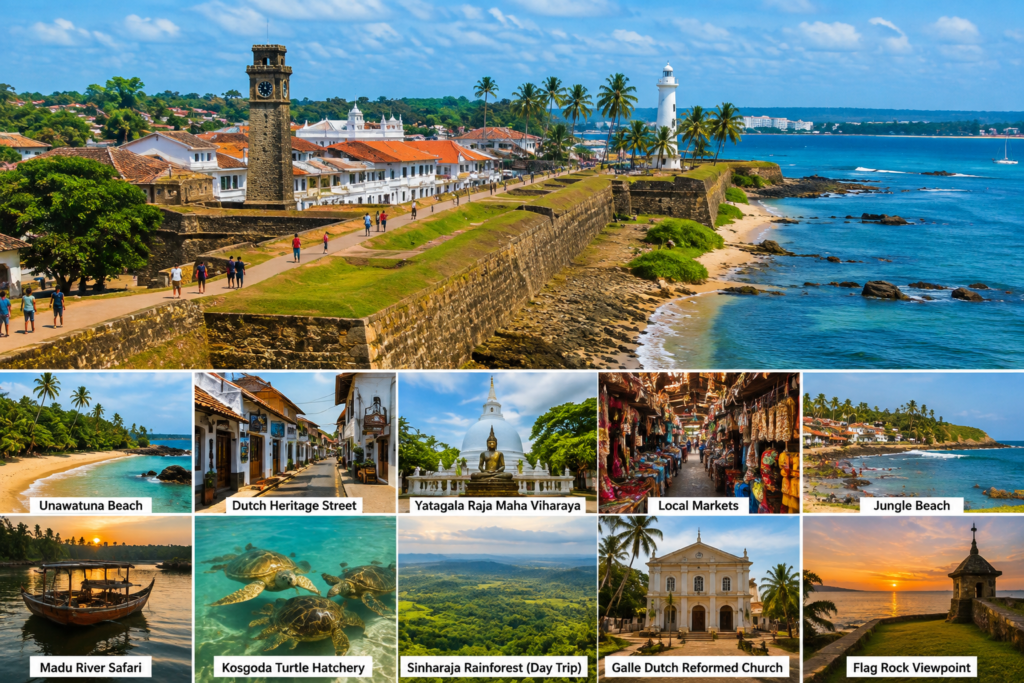
The Colonial Forts of Sri Lanka are surrounded by some of the country’s most beautiful beaches, cultural landmarks, wildlife parks, and vibrant local markets. Combining these nearby attractions with your fort visits creates a more diverse and memorable travel experience. Whether you’re interested in history, nature, or local cuisine, there’s something for every type of traveler.
Most attractions are located within a short drive of the major forts, making it easy to plan day trips or extend your stay. Exploring beyond the fort walls allows visitors to experience Sri Lanka’s rich traditions, breathtaking scenery, and warm hospitality.
Beaches and Coastal Attractions
Many of Sri Lanka’s historic forts are located along the coast, offering quick access to stunning beaches and scenic ocean viewpoints. After exploring the centuries-old fortifications, travelers can relax on golden sands, enjoy water sports, or simply admire the tropical landscape.
Near Galle Fort, Unawatuna Beach is one of the island’s most popular coastal destinations. Its calm waters are ideal for swimming and snorkeling, while nearby Jungle Beach offers a quieter atmosphere surrounded by lush greenery. In Colombo, Galle Face Green provides a lively seaside promenade where locals and tourists gather to watch the sunset, enjoy street food, and experience the city’s vibrant energy.
Top Coastal Attractions
| Attraction | Near Which Fort | Best Activity |
| Unawatuna Beach | Galle Fort | Swimming & snorkeling |
| Jungle Beach | Galle Fort | Relaxation & photography |
| Galle Face Green | Colombo Fort | Sunset walks & street food |
| Jaffna Lagoon | Jaffna Fort | Scenic views & birdwatching |
| Mount Lavinia Beach | Colombo | Beach dining & swimming |
Museums, Temples, and Cultural Landmarks
History enthusiasts will find plenty to explore beyond the Colonial Forts of Sri Lanka. Several museums preserve colonial artifacts, maritime history, and archaeological discoveries that provide deeper insight into the island’s past. These attractions complement fort visits by explaining the historical events that shaped modern Sri Lanka.
In Galle, the Maritime Museum showcases fascinating exhibits related to naval history and underwater archaeology. Visitors can also tour the Dutch Reformed Church, one of the oldest Protestant churches in Asia. Around Jaffna Fort, ancient Hindu temples and cultural centers offer opportunities to experience the traditions and heritage of northern Sri Lanka. These cultural sites create a balanced itinerary that combines architecture, religion, and local history.
Cultural Travel Checklist
- ✔ Visit local museums for historical context.
- ✔ Explore nearby churches and temples.
- ✔ Hire a licensed guide for deeper insights.
- ✔ Respect photography rules inside religious sites.
- ✔ Support local artisans by purchasing handmade crafts.
Wildlife, Nature, and Local Markets
Sri Lanka’s natural beauty is never far from its colonial landmarks. Many travelers combine fort sightseeing with visits to wildlife sanctuaries, botanical gardens, or bustling local markets. These destinations provide an authentic look at everyday life while adding variety to your itinerary.
Near Galle, visitors can enjoy boat safaris on the Madu River, famous for its mangrove forests and birdlife. Around Colombo, Pettah Market offers an energetic shopping experience filled with spices, textiles, jewelry, and local snacks. In Jaffna, traditional markets showcase regional produce, seafood, and handcrafted goods that reflect the area’s unique culture. Exploring these attractions allows travelers to experience both Sri Lanka’s natural wonders and its vibrant local communities.
Nearby Attraction Comparison
| Attraction | Type | Distance from Fort | Ideal For |
| Unawatuna Beach | Beach | 10 minutes from Galle Fort | Families & beach lovers |
| Maritime Museum | Museum | Inside Galle Fort | History enthusiasts |
| Pettah Market | Shopping | Near Colombo Fort | Local culture & souvenirs |
| Madu River | Nature | About 1 hour from Galle | Boat safaris & wildlife |
| Jaffna Local Market | Market | Near Jaffna Fort | Food lovers & shopping |
FAQs
What are the most famous Colonial Forts of Sri Lanka?
The most popular Colonial Forts of Sri Lanka include Galle Fort, Jaffna Fort, and the historic Colombo Fort district. Galle Fort is a UNESCO World Heritage Site and the country’s best-preserved colonial fortress. Jaffna Fort is known for its impressive Dutch military architecture, while Colombo Fort represents the historical heart of Sri Lanka’s capital with several remaining colonial-era landmarks.
Which colonial power built the forts in Sri Lanka?
The forts were built and expanded by three major European colonial powers: the Portuguese, the Dutch, and the British. The Portuguese constructed the earliest coastal forts during the 16th century, the Dutch strengthened and expanded many of them in the 17th century, and the British later adapted several forts for administrative and commercial purposes.
Is there an entrance fee for Galle Fort?
No. Entry to Galle Fort is completely free, making it one of Sri Lanka’s best-value historical attractions. However, certain museums, heritage buildings, and guided walking tours inside the fort may charge separate admission fees. Visitors should also budget for food, shopping, and optional attractions during their visit.
What is the best time to visit the Colonial Forts of Sri Lanka?
The ideal time is between November and April, when the weather is generally dry and sunny across the southern and western regions. Early mornings and late afternoons are especially comfortable for walking tours and photography, while sunsets from the fort walls offer spectacular ocean views.
How many days are needed to explore the Colonial Forts of Sri Lanka?
A two-day trip is enough to visit Colombo Fort and Galle Fort. Travelers who wish to include Jaffna Fort and nearby cultural attractions should plan for at least five to seven days. This allows sufficient time to enjoy each destination without rushing.
Are the Colonial Forts of Sri Lanka family-friendly?
Yes. Most forts are excellent destinations for families, couples, solo travelers, and history enthusiasts. Wide walking paths, museums, cafés, scenic viewpoints, and nearby beaches make them suitable for visitors of all ages. Parents should supervise young children near elevated ramparts and coastal walls.
Can I hire a guide while visiting the forts?
Yes. Licensed local guides are available at many major historical sites, especially at Galle Fort. Guided tours provide valuable insights into colonial history, architecture, and local traditions while helping visitors discover hidden landmarks that they might otherwise overlook.
What should I wear when visiting colonial forts?
Lightweight clothing, comfortable walking shoes, sunglasses, and sunscreen are recommended because much of the sightseeing takes place outdoors. If your itinerary includes churches or religious sites within the forts, dress modestly by covering your shoulders and knees where appropriate.
Are the Colonial Forts of Sri Lanka accessible by public transportation?
Yes. Most major forts are easily reached by train, bus, or private taxi. Colombo and Galle have excellent transportation connections, while Jaffna is accessible by domestic flights, long-distance trains, and intercity buses, making travel convenient for both local and international visitors.
Why should I visit the Colonial Forts of Sri Lanka?
The Colonial Forts of Sri Lanka combine history, architecture, culture, and breathtaking coastal scenery in one unforgettable experience. Visitors can explore UNESCO World Heritage sites, learn about centuries of colonial history, enjoy authentic Sri Lankan cuisine, and experience vibrant local communities—all while discovering some of the island’s most iconic landmarks.
Conclusion
The Colonial Forts of Sri Lanka offer an incredible journey through centuries of history, culture, and coastal beauty. From the iconic streets of Galle Fort to the impressive walls of Jaffna Fort and the heritage of Colombo, each destination tells a unique story. Whether you’re a history enthusiast or a first-time traveler, these remarkable landmarks deserve a place on your itinerary. Start planning your adventure today and discover why the Colonial Forts of Sri Lanka remain among the island’s most unforgettable attractions.
Read More: Krishna Janmashtami 2026: 15 Powerful Facts, Traditions, Celebration Guide & Travel Tips
