

The Festival of Light (Diwali) in India 2026: Date & Celebration offers travelers an extraordinary opportunity to experience one of India’s most colorful and meaningful festivals. During Diwali, homes glow with rows of oil lamps, streets sparkle with decorations, markets become busy with shoppers, and families come together to celebrate hope, prosperity, and the victory of light over darkness.
For visitors, Diwali can be both exciting and overwhelming. Major cities such as Delhi, Jaipur, Mumbai, Varanasi, Kolkata, Ahmedabad, and Amritsar offer very different experiences. Some travelers prefer grand city displays, while others seek peaceful temple rituals, traditional villages, heritage markets, or riverside celebrations.
This guide explains the Diwali 2026 date in India, the traditional five-day festival, important rituals, regional differences, foods, travel advice, safety tips, and practical ways to enjoy the celebration respectfully.
Quick Answer:
The Festival of Light (Diwali) in India 2026: Date & Celebration will center on Sunday, November 8, 2026, which is the main Diwali or Deepavali day in the widely followed North Indian calendar tradition.
Diwali is much more than a single night. It is a multi-day Hindu festival celebrated with prayers, diyas, rangoli, family gatherings, traditional food, gifts, shopping, and community events. Dates and specific observances can vary by region, religious tradition, and local lunar calendar calculations.
Diwali 2026 at a Glance
| Detail | Information |
| Main Diwali Day | Sunday, November 8, 2026 |
| Festival | Diwali / Deepavali |
| Meaning | Festival of Lights |
| Main Deity on Lakshmi Puja | Goddess Lakshmi |
| Traditional Symbols | Diyas, rangoli, lamps, flowers |
| Major Activities | Puja, family gatherings, sweets, shopping, fireworks |
| Best For Travelers | Culture, food, markets, temples, heritage experiences |
| Main Travel Advice | Book transportation and hotels early |
Diwali 2026 Date in India and Festival Calendar
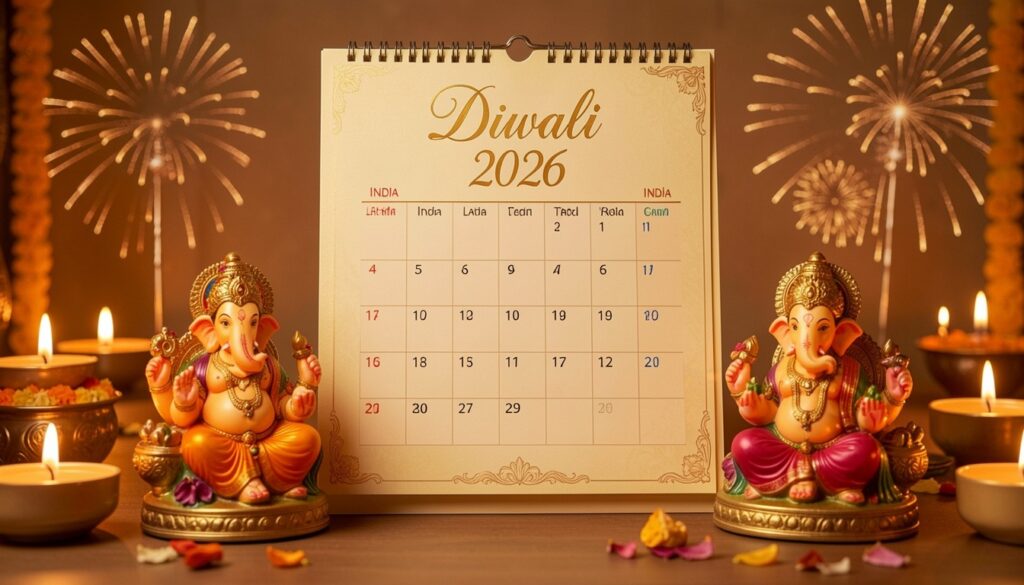
Diwali follows the Hindu lunisolar calendar, so its Gregorian date changes each year. In 2026, the main Diwali celebration falls on Sunday, November 8.
However, the wider Diwali period includes several important days.
Diwali 2026 5-Day Festival Schedule
| Day | Festival | Main Traditions |
| Day 1 | Dhanteras | Shopping, wealth-related rituals, lighting lamps |
| Day 2 | Naraka Chaturdashi / Choti Diwali | Cleaning, lamps, early-morning traditions |
| Day 3 | Diwali / Lakshmi Puja | Lakshmi Puja, diyas, family celebrations |
| Day 4 | Govardhan Puja / Annakut | Food offerings and regional traditions |
| Day 5 | Bhai Dooj | Celebrating the bond between brothers and sisters |
Regional calendars may use different names and observances. In South India, for example, Deepavali traditions can emphasize Naraka Chaturdashi more strongly than the North Indian Diwali format.
What Is Diwali and Why Is It Called the Festival of Lights?
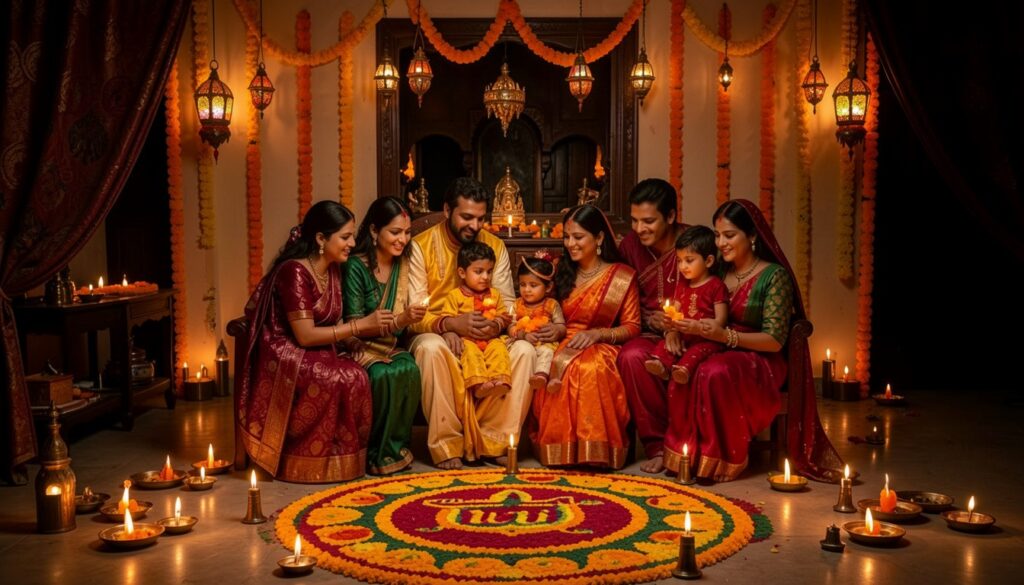
Diwali, also called Deepavali, is one of India’s most widely celebrated festivals. The word is commonly associated with a row of lamps, reflecting the tradition of lighting diyas.
The festival carries several layers of meaning. For many Hindu communities, it represents the victory of good over evil, light over darkness, and knowledge over ignorance. Different regions and traditions connect Diwali with different religious stories.
One of the best-known traditions links Diwali with Lord Rama’s return to Ayodhya after defeating Ravana. In this story, people welcomed Rama, Sita, and Lakshmana by lighting lamps.
In many communities, Diwali is also strongly associated with Goddess Lakshmi, the Hindu goddess of wealth and prosperity. Families clean and decorate their homes before performing Lakshmi Puja.
Other traditions connect the festival with Lord Krishna’s victory over Narakasura, while some Jain and Sikh communities observe important events around the same period.
This diversity is one reason travelers should avoid thinking of Diwali as a single identical celebration across India.
How Diwali Is Celebrated in India
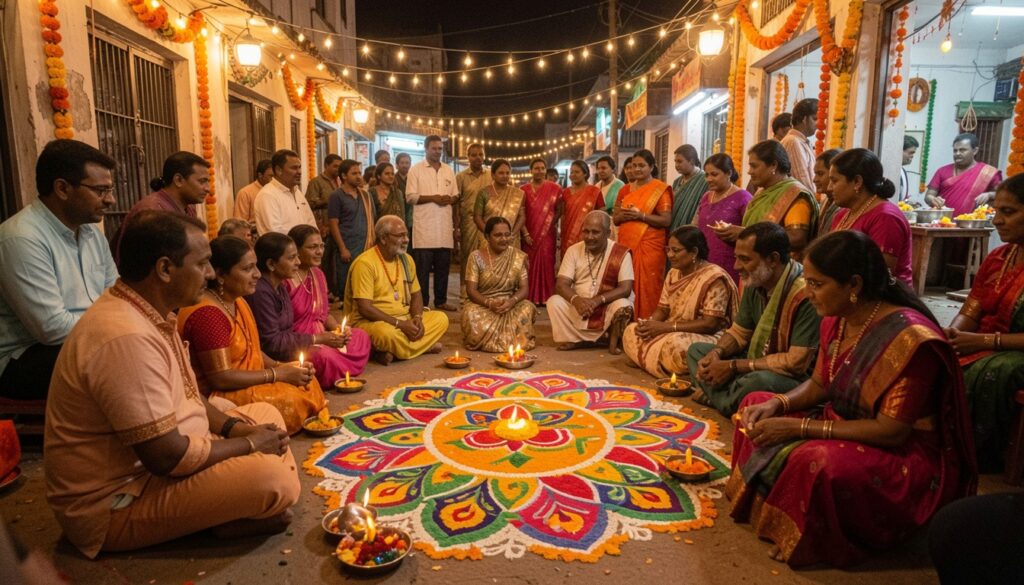
Diwali celebrations begin well before the main festival night. Families often clean their homes, purchase new clothing, decorate entrances, prepare sweets, and shop for gifts.
On the main Diwali evening, many households light diyas and perform Lakshmi Puja. Families may place flowers, sweets, fruits, coins, and other traditional offerings near the shrine.
After prayers, people often visit relatives and friends, exchange sweets and gifts, enjoy festive meals, and watch fireworks where permitted.
Common Diwali Traditions
- Cleaning and decorating homes
- Creating rangoli designs
- Lighting clay diyas
- Hanging decorative lights
- Performing Lakshmi Puja
- Buying new clothes
- Exchanging gifts
- Preparing traditional sweets
- Visiting family and friends
- Shopping in festive markets
- Attending community celebrations
- Watching fireworks where legally permitted
For travelers, simply observing a neighborhood celebration can be a memorable experience. Always ask permission before photographing people, religious ceremonies, or private homes.
Lakshmi Puja on Diwali 2026
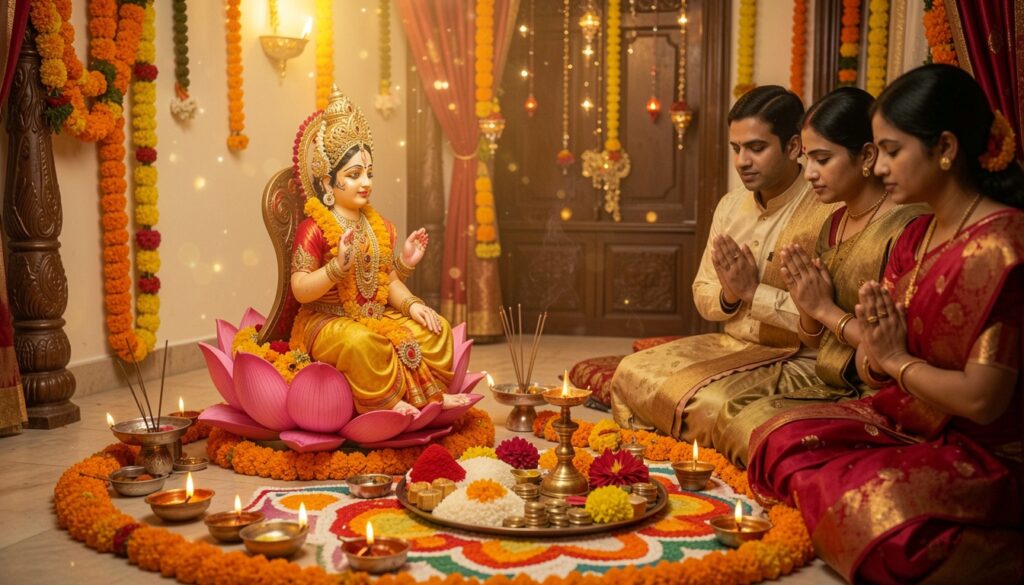
Lakshmi Puja is one of the most important Diwali rituals for many Hindu families. The ceremony traditionally honors Goddess Lakshmi and seeks blessings for prosperity, abundance, and well-being.
A typical home celebration may include:
- Cleaning the prayer area.
- Decorating the space with flowers and rangoli.
- Setting up an image or murti of Goddess Lakshmi.
- Lighting diyas and incense.
- Offering flowers, fruits, sweets, and other traditional items.
- Performing prayers and devotional rituals.
- Lighting additional lamps around the home.
The exact Lakshmi Puja muhurat varies by location, so travelers should not rely on one nationwide clock time. India covers multiple regions and local Panchang calculations can differ.
If you are staying in a hotel, ask whether it hosts a Diwali prayer ceremony. Many luxury hotels and cultural properties organize special festive programs for guests.
Best Places to Experience Diwali in India
There is no single “best” place to celebrate Diwali. The right destination depends on the type of experience you want.
Ayodhya, Uttar Pradesh
Ayodhya has become internationally known for large-scale Deepotsav celebrations featuring enormous numbers of illuminated lamps and major cultural programs.
It can be a spectacular choice for travelers interested in religious heritage and large public displays.
Varanasi, Uttar Pradesh
Varanasi offers a deeply spiritual atmosphere. The ghats along the Ganges become especially atmospheric during festival periods, with lamps, prayers, and devotional activities.
Travelers should expect crowds and plan accommodation well ahead.
Jaipur, Rajasthan
Jaipur combines Diwali with the visual appeal of Rajasthan’s historic architecture. Markets, shops, palaces, and streets can be decorated with colorful lights.
It is an excellent option for travelers who want to combine Diwali with a broader Rajasthan itinerary.
Delhi
Delhi provides a mixture of residential celebrations, shopping districts, temples, cultural events, and modern entertainment.
It is convenient for international travelers but can become extremely busy during the festival period.
Mumbai, Maharashtra
Mumbai’s Diwali atmosphere combines traditional family celebrations with a fast-paced urban setting. Markets, homes, restaurants, and public spaces often take on a festive appearance.
Kolkata, West Bengal
Kolkata offers a distinctive experience because Diwali coincides with Kali Puja traditions. Travelers interested in regional diversity may find Kolkata especially fascinating.
Amritsar, Punjab
The Golden Temple area creates an unforgettable visual experience around the wider festival period, particularly because of the illumination associated with Bandi Chhor Divas.
Destination Comparison
| Destination | Best For | Atmosphere | Crowd Level |
| Ayodhya | Deepotsav & heritage | Spiritual & spectacular | High |
| Varanasi | Ghats & spirituality | Traditional | High |
| Jaipur | Architecture & shopping | Colorful | Medium–High |
| Delhi | Variety & convenience | Urban & festive | High |
| Mumbai | Modern city celebration | Energetic | High |
| Kolkata | Kali Puja | Cultural & devotional | High |
| Amritsar | Heritage & illumination | Spiritual | High |
Diwali Food, Sweets, and Festive Shopping
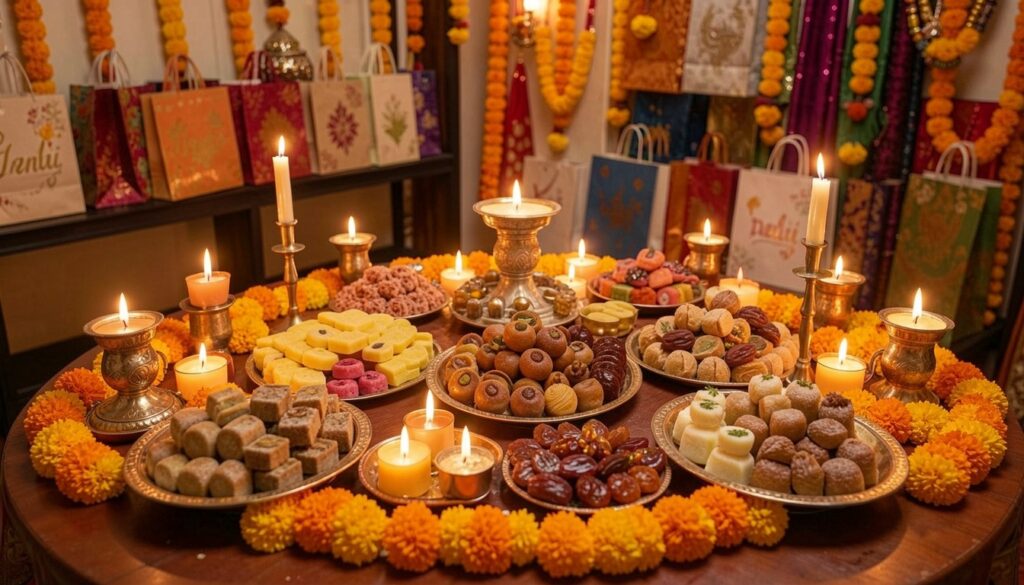
Food is central to the Diwali experience. Families prepare or purchase sweets and savory snacks to share with guests.
Popular Diwali foods can include:
- Gulab jamun
- Jalebi
- Ladoo
- Barfi
- Kaju katli
- Rasgulla
- Mysore pak
- Chakli
- Namak para
- Samosa
- Kachori
- Mixture and namkeen
- Puri-based festive meals
Regional food traditions vary considerably.
In Rajasthan, Gujarat, Maharashtra, South India, Bengal, Punjab, and Uttar Pradesh, visitors can discover very different festive flavors.
Smart Food Tips for Travelers
Try sweets from established shops with high customer turnover. During crowded festivals, avoid leaving perishable foods unrefrigerated for long periods.
If you have allergies or dietary restrictions, ask about ingredients before eating. Indian sweets can contain nuts, dairy, gluten, and other common allergens.
Diwali Travel Guide for International Visitors
If you plan to visit India during Diwali 2026, preparation matters.
Book Early
Hotels, trains, domestic flights, and popular tourist destinations can become very busy. Book accommodation and transportation as early as possible.
Expect Traffic
Major cities may experience heavy traffic around markets, temples, and event venues. Leave extra time for airport transfers and sightseeing.
Check Local Events
Diwali celebrations are highly local. Check official tourism websites, temple announcements, hotel programs, and municipal notices for current event information.
Respect Local Customs
Dress modestly when visiting temples. Remove footwear when required. Ask before taking close-up photographs of worshippers or ceremonies.
Be Flexible
Festival schedules can change due to local arrangements, weather, security measures, or crowd management. Keep your itinerary flexible.
Traditional vs. Modern Diwali Celebration
Diwali has changed with technology, urban life, and global Indian communities, but many traditions remain strong.
| Traditional Diwali | Modern Diwali |
| Clay diyas | LED decorative lights |
| Handmade rangoli | Stencils and digital designs |
| Homemade sweets | Gift boxes from specialty stores |
| Family visits | Video calls and social media |
| Local shopping | Online shopping |
| Community fireworks | Organized or reduced-firework events |
| Handwritten cards | Digital greetings |
| Home rituals | Hotel and community celebrations |
Modern celebrations do not necessarily replace traditional practices. Many families combine both.
Pros and Cons of Celebrating Diwali as a Tourist
| Pros | Cons |
| Unique cultural experience | Very large crowds |
| Beautiful nighttime scenery | Higher hotel demand |
| Special festive food | Transportation can be busy |
| Rich cultural events | Fireworks may be loud |
| Excellent photography opportunities | Some attractions may have changed hours |
| Chance to experience local traditions | Air quality can be affected in some locations |
Diwali Safety Tips
Diwali is joyful, but visitors should take basic precautions.
Firework Safety
Never handle fireworks unless you understand local rules and safety practices. Watch displays from a safe distance.
Protect Your Hearing
Firecrackers can be surprisingly loud. Travelers sensitive to noise may want ear protection, particularly near busy neighborhoods.
Watch Your Belongings
Crowded markets and public events require normal travel precautions. Keep passports, phones, wallets, and other valuables secure.
Air Quality
Fireworks can temporarily worsen air quality. Travelers with respiratory sensitivities should monitor local conditions and limit prolonged outdoor exposure when necessary.
Road Safety
Avoid standing in roads or walking through areas where fireworks are being used. Traffic patterns can become unpredictable.
Diwali Packing Checklist for India
Use this checklist before leaving for your Diwali trip.
- Comfortable walking shoes
- Lightweight festive clothing
- Modest outfit for temple visits
- Small crossbody or secure travel bag
- Portable phone charger
- Reusable water bottle
- Basic medications
- Earplugs for loud fireworks
- Face mask if needed for poor air quality
- Travel insurance documents
- Copies of passport and important documents
- Small umbrella or weather-appropriate layer
- Camera or smartphone with extra storage
Common Mistakes to Avoid During Diwali in India
Assuming Every Region Celebrates Diwali the Same Way
India has enormous cultural diversity. Rituals, foods, names, and major religious events can differ by region.
Waiting Until the Last Minute to Book
Diwali is a major travel period. Popular hotels and transportation can fill quickly.
Using One Nationwide Puja Time
Religious timings can depend on the location. Check the local city or temple calendar.
Treating Religious Events Like Photo Opportunities
Be respectful. Ask before photographing people, ceremonies, and sacred spaces.
Ignoring Firework Rules
Local authorities may impose restrictions. Follow official rules rather than assuming fireworks are permitted everywhere.
Overpacking Your Itinerary
Crowds and traffic can make travel slower. Schedule fewer major activities each day.
Forgetting That Some Businesses Close
Family-run stores and services may have altered hours during the festival.
Choosing Only Tourist Attractions
Some of the most memorable Diwali moments happen in local neighborhoods, markets, temples, and family settings.
Expert Tips for Experiencing Diwali 2026
Choose Your Experience First
Decide whether you want spirituality, food, photography, shopping, architecture, nightlife, or family-style traditions.
Stay Near Your Main Event
During Diwali, crossing a large city can take much longer than expected. Staying near your main celebration can save hours.
Ask Your Hotel About Local Traditions
Hotel staff can often recommend neighborhood events, restaurants, temples, and safe viewing areas.
Visit Markets Before the Main Night
Shopping districts are often fascinating in the days leading up to Diwali. You can see decorations, sweets, clothing, lamps, and gift items.
Carry Cash and Digital Payment Options
Payment habits vary by location. Having more than one payment method can make travel easier.
Take Public Events Seriously
Large celebrations can involve crowd-control measures. Follow police, municipal, temple, and event instructions.
Explore Beyond the Main Festival Night
The five-day period offers different experiences. Arriving early can give you a broader understanding of the festival.
How to Celebrate Diwali Respectfully as a Visitor
Visitors do not need to follow every religious ritual to appreciate Diwali.
You can participate respectfully by:
- Learning the meaning behind the festival.
- Wearing appropriate clothing when visiting religious places.
- Greeting people warmly.
- Trying traditional foods.
- Purchasing handmade lamps or local crafts.
- Supporting local businesses.
- Asking permission before photographing people.
- Following temple and event rules.
- Avoiding waste.
- Respecting quieter celebrations.
A simple “Happy Diwali” is usually a friendly and appropriate greeting.
Sustainable Diwali: Celebrate With Less Waste
Travelers can also make environmentally responsible choices.
Choose reusable decorations, clay diyas, locally made products, and gifts with minimal packaging. Avoid unnecessary plastic decorations and disposable items.
If you buy traditional crafts, supporting local artisans can make your trip more meaningful.
Travelers can also choose cultural events that use organized lighting displays rather than participating in excessive fireworks.
Small choices can help preserve the beauty of the festival while reducing waste.
FAQs
When is Diwali in India in 2026?
The main Diwali celebration in India falls on Sunday, November 8, 2026. Local religious observances and exact puja timings should be checked for the specific city.
Is Diwali a five-day festival?
Yes. Diwali is commonly described as a five-day festival, although the exact customs and names of the days vary across India.
What is the main Diwali day called?
The main festival is commonly called Diwali or Deepavali. In many North Indian traditions, the main evening is associated with Lakshmi Puja.
What happens during Lakshmi Puja?
Families typically clean and decorate their homes, light lamps, offer flowers and sweets, and perform prayers seeking blessings for prosperity and well-being.
Where is the best place to celebrate Diwali in India?
It depends on your interests. Ayodhya is known for large Deepotsav celebrations, Varanasi for spiritual experiences, Jaipur for heritage and lights, and Mumbai and Delhi for major urban celebrations.
Can tourists participate in Diwali celebrations?
Yes. Tourists can enjoy public celebrations, markets, cultural events, food, decorations, and sightseeing while respecting local religious customs.
What should I wear during Diwali in India?
Comfortable clothing is best for sightseeing. For temples and religious events, choose modest clothing that covers the shoulders and knees where appropriate.
Are fireworks allowed during Diwali?
Rules vary by city and may change from year to year. Always follow local government and event restrictions.
What food is popular during Diwali?
Popular foods include ladoo, barfi, kaju katli, jalebi, gulab jamun, chakli, namkeen, samosas, and many regional sweets and snacks.
Should I book my India trip early for Diwali?
Yes. Early booking is strongly recommended because flights, trains, hotels, and popular tourist destinations can become very busy.
Conclusion
The Festival of Light (Diwali) in India 2026: Date & Celebration is an ideal time to experience India’s traditions, food, architecture, spirituality, and family culture in a uniquely festive setting. The main Diwali day falls on Sunday, November 8, 2026, while the broader celebration extends across several days with different regional customs.
From the illuminated ghats of Varanasi and the grand celebrations of Ayodhya to Jaipur’s glowing heritage buildings and the energetic streets of Mumbai and Delhi, every destination offers a different version of Diwali.
If you are planning a Diwali trip to India, book early, check local festival timings, research regional customs, and keep your itinerary flexible. Most importantly, travel with curiosity and respect. The real magic of Diwali is not only in the lights and fireworks but also in the hospitality, traditions, food, and sense of togetherness that make the festival special.
Planning to experience Diwali in India in 2026? Save this guide, choose your destination, and start planning your festive journey early.
Read More:Diwali 2026: Date, Lakshmi Puja Muhurat & Festival Days Complete USA Guide
